

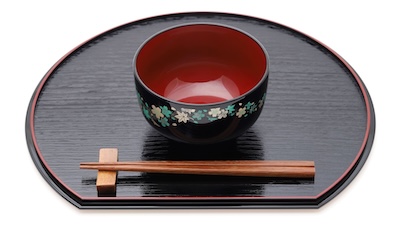

The Surprising Origin of “Gochisousama”
In Japan, people put their hands together after a meal.
Then, they say ごちそうさま (Gochisousama).
This custom has a deep meaning.
It reflects the Japanese mindset of おもてなし (Omotenashi, hospitality).
This tradition has continued for over 1,000 years.
馳 (Chi) and 走 (Sou): The Era of Running for Guests
In Kanji, ごちそうさま (Gochisousama) is written as 御馳走様.
It contains two characters: 馳 (Chi) and 走 (Sou).
Both mean 走る (Hashiru, to run) in Japanese.
Why do we use the word “run” for a meal greeting?
The reason comes from life in the past.
Back then, there were no supermarkets or refrigerators.
Therefore, inviting guests was very difficult.
The host rode a horse, heading into the mountains and out to the sea.
To find the best ingredients, they literally ran around for their guests.
This hard work is the origin of 馳 (Chi) and 走 (Sou).
様 (Sama): Respect for Sacred Presence
The suffix 様 (Sama) is a title of respect.
However, it is not just for people.
Japan has an ancient belief called 八百万の神 (Yaoyorozu-no-kami, myriad of gods).
Therefore, Japanese people add Sama to sacred beings.
For example, they say 神様 (Kamisama, God) and 仏様 (Hotokesama, Buddha).
The word also expresses respect for nature.
It is used for お天道様 (Otentosama, the sun), お月様 (Otsukisama, the moon), and so on.
Furthermore, people attach this suffix to everyday objects or events.
It shows a feeling of deep gratitude.
The Sama in Gochisousama also expresses this sincere appreciation.
“Itadakimasu” vs. “Gochisousama”: Different Targets of Gratitude
Japanese language learners often ask a common question.
“Do both phrases mean ‘Thank you’?”
Indeed, both words express gratitude.
However, the target of that gratitude is different.
いただきます (Itadakimasu): Gratitude for Life
People say Itadakimasu before starting a meal.
It is primarily directed at the life of the ingredients.
Since ancient times, Japanese culture has taught that life dwells in all things.
This reflects the concept of Yaoyorozu-no-kami.
To sustain their own lives, people receive another precious life.
A sense of apology and deep appreciation fills this action.
Therefore, they use いただく (Itadaku).
For this reason, this is the humble form of the verb “to receive.”
It creates a quiet, prayer-like moment between the individual and nature.
To learn more about Itadakimasu and Yaoyorozu-no-kami, please check this article.
[What is “Itadakimasu”? Gratitude and Respect for Life and Nature]
ごちそうさま (Gochisousama): Appreciation for People’s Work
On the other hand, the post-meal greeting Gochisousama focuses on people.
It is directed at the farmers who grew the vegetables.
Also, it recognizes fishermen who went out to the rough sea.
Truck drivers carried the heavy loads.
Finally, it honors the people who cooked the meal.
When saying Gochisousama, the perspective expands to society.
A single dish contains the labor and sincerity of many individuals.
This greeting expresses gratitude and respect for them.
Descriptive English vs. Compact Japanese
English and Japanese have different ways of communicating after a meal.
- English: Separating Thanks and Thoughts
- Thanks: “Thank you for cooking.”
- Thoughts: “It was delicious.”
- Key Point: They clearly state “who” and “what.”
- Japanese: Condensing Everything into One Word
- Thanks & Thoughts: Just one phrase, Gochisousama.
- Appreciation: It includes gratitude for the cook.
- Satisfaction: The word also shows the food was delicious.
- Key Point: Condensing both into one short phrase.
Using でした (Deshita) for Politeness
ごちそうさま (Gochisousama) and ごちそうさまでした (Gochisousamadeshita).
The difference between them is the level of politeness.
Adding でした (Deshita) makes the expression more formal.
People use this longer version at restaurants, schools, and workplaces.
It is also suitable for formal settings, such as a superior’s home.
On the other hand, family members and close friends just say a short Gochisousama.
Speakers choose the right phrase based on their relationship with the listener.
Conclusion
Gochisousama is a word that expresses the Japanese heart of gratitude.
- The Origin of 馳 (Chi) and 走 (Sou).
Gratitude for the person who ran around for guests. - The Respect of 様 (Sama).
Appreciation for the cook, objects, and events. - Difference from Itadakimasu.
Itadakimasu is for the life of ingredients.
Gochisousama is for the work of people.
The phrase condenses both thanks and your impression into one word.
A sincere Gochisousama is the best gift for the cook.
Please try expressing your gratitude after your next meal.
To discover the charm of 和食 (Washoku), please check this article.
[Discover Japan Through Washoku (和食)]
Explore more Japanese expressions in the Japanese Words category.
Related Posts

「ごちそうさま」の意外な由来
日本人は食後に手を合わせます。
そして「ごちそうさま」と言います。
この習慣には、深い意味があります。
そこには、日本人の「おもてなし」の気持ちがあります。
これは1000年以上前から続いています。
「馳」「走」:馬を走らせた時代
「ごちそうさま」を漢字で書くと「御馳走様」となります。
その中にある「馳」と「走」という2つの漢字があります。
どちらも日本語で「走る」という意味です。
なぜ、食事の挨拶に「走る」という字を使うのでしょうか。
それは、スーパーも冷蔵庫もなかった時代の生活にあります。
そのため、大切なお客様を招くことは、今よりもずっと大変でした。
主人は自ら馬を走らせました。
山へ入り、海へと駆け巡りました。
そして、最高の食材を探しました。
お客様のために文字通り「走り回った」のです。
この苦労が、「馳」と「走」の語源です。
「様」:尊い存在への敬意
最後につく「様(さま)」は、敬称です。
「様」は人以外にも使います。
日本には古くから「八百万(やおよろず)の神」の考えがあります。
そのため、尊い存在にも「様」をつけます。
例えば、神様、仏様です。
太陽(お天道様)やお月様などにも使います。
また、物や事象に対してつけることもあります。
これには感謝の気持ちが込められています。
「ご馳走様」の「様」も感謝の気持ちを表しています。
「いただきます」と「ご馳走様」:「前」と「後」で変わる感謝の対象
日本語学習者の方から、よく質問を受けます。
「どちらもThank youという意味ですか?」という質問です。
確かにどちらも「感謝」を伝える言葉です。
しかし、感謝を向ける「対象」が違います。
「いただきます」:命への感謝
食事を始める前の「いただきます」は、主に「食材の命」に向けた言葉です。
日本では昔から、すべての万物に神や命が宿ると考えられてきました。
「八百万の神」です。
自分の命を繋ぐために、別の尊い命を分けてもらいます。
そこには申し訳なさと、深い感謝があります。
そのため、自分を低くする言葉である「いただく」を使います。
これは、自分と自然界との一対一の、祈りのような瞬間です。
「いただきます」や「八百万の神」についてはこちらをご覧ください。
[What is “Itadakimasu”? Gratitude and Respect for Life and Nature]
「ごちそうさま」:働きへの労い
一方、食後の「ごちそうさま」は、「人」に向けられた言葉です。
畑で野菜を育てた農家の方。
朝早くから荒波に出る漁師の方。
重い荷物を運ぶトラックの運転手。
そして最後に台所で調理をした人たちです。
「ごちそうさま」と言うとき、視線は社会へと広がります。
一皿の料理には、多くの人々の労働と真心があります。
その人たちに感謝し、労います。
言葉を尽くす英語、一言の日本語
英語と日本語では、食後の伝え方が違います。
- 英語:感謝と感想を分ける
- 感謝:「Thank you for cooking.」
- 感想:It was delicious.
→「誰に」と「何が」を、それぞれ明確に言葉にします。
- 日本語:一言にすべてを込める
- 感謝・感想:「ごちそうさま」の一言
- 作った人への感謝を込めます。
- 料理がおいしかった満足感も込めます。
→大切な情報を一つに凝縮するのが、日本語の特徴です。
「でした」の有無と使い分け
「ごちそうさま」と「ごちそうさまでした」。
この2つの違いは、相手に対する「丁寧さ」の度合いです。
「でした」を付けることで、よりフォーマルになります。
レストラン、学校、職場で使います。
また、目上の人の家など、改まった席でも使います。
一方で、家族や友人には、「ごちそうさま!」と短く言います。
相手との距離感によって言葉を選びます。
まとめ
「ごちそうさま」は、日本人の感謝の気持ちを表す言葉です。
- 「馳」「走」の由来
客人のために走り回った人への感謝。 - 「様」の敬意
作った人だけでなく、物や事象に対する感謝。 - 「いただきます」との違い
「いただきます」は 命への感謝。
「ごちそうさま」は人の働きへの労い。
感謝と感想を、一言に込めているのが「ごちそうさま」です。
これは、料理を作った人への一番のプレゼントです。
ぜひ、食事の後に感謝の気持ちを伝えてみましょう。
和食の魅力を知りたい方はこちらもご覧ください。
[Discover Japan Through Washoku (和食)]
日本語表現についてもっと知りたい方は、Japanese Words カテゴリをご覧ください。