Understanding the Genkan Rule in Japanese Homes
One thing often surprises visitors to Japan. It is the custom of taking off shoes.
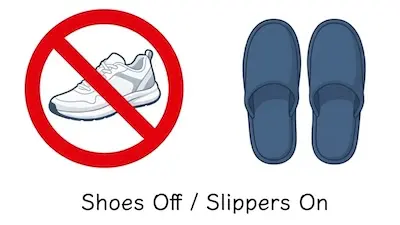
People usually remove their shoes when they enter a Japanese home.
The same rule applies in a traditional inn (ryokan). Shoes come off at the entrance.
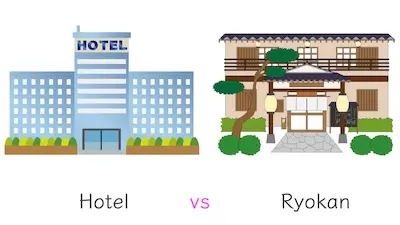
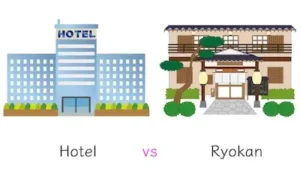
In my previous article, I explained the differences between hotels and ryokan.
In many hotels around the world, people keep their shoes on indoors.
Because of this, some visitors feel unsure. They may wonder, “When should I take my shoes off?”
For Japanese people, removing shoes is more than a daily habit.
It reflects an important cultural idea.
In Japan, people often think about the difference between uchi (inside) and soto (outside).
In this article, we look at Japan’s shoe-removing culture.
You will learn how Japanese people think about space, cleanliness, and etiquette.
What Is a Genkan? The Inside–Outside Boundary
Japanese homes have an entrance area called genkan(玄関).
The genkan has a small step. People take off their shoes there when they enter the house.
This step is not only part of the design. It has a cultural meaning.
In Japan, the genkan marks the boundary between soto (outside) and uchi (inside).
The Idea of Soto and Uch
In Japanese culture, soto means the outside world. It can mean society or public space.
Uchi means the inside. It refers to family and private space.
When people come from outside, they remove their shoes at the genkan. This action shows the move from soto to uchi.
It also helps keep the home clean. At the same time, it helps people change their mindset.
For many Japanese people, the home is a clean and relaxing place.
Because of this, entering with outdoor shoes is often seen as inappropriate.
Soto and Uchi in Human Relationships
The idea of uchi and soto also appears in human relationships.
People often think of family members or coworkers as uchi. They belong to the same group.
People outside that group may be seen as soto.
This way of thinking also affects the Japanese language.
Japanese speakers sometimes speak humbly about their own group.
At the same time, they show respect to others.
For example, people often say “Ojama shimasu(お邪魔しました)” when entering someone’s home.
This phrase shows politeness. It also shows respect when entering another person’s uchi.
Japanese Home Etiquette: Slippers and Indoor Shoe Rules
In Japan, removing shoes is only the first step. There are also several indoor rules.
Many first-time visitors are surprised by these customs. However, they are easy to remember once you know them.
Here are some shoe etiquette tips that visitors to Japan should know.
Changing into Slippers
In many Japanese homes and traditional inns, people wear slippers indoors.
Some families prepare slippers for guests. This is a small sign of hospitality. It means, “Please make yourself comfortable.”
Japanese schools also have a similar custom.
Students change into uwabaki(上履き), or indoor shoes, when they enter the school building.
Students remove their outdoor shoes at the entrance.
Then they put on their indoor shoes. This helps keep the building clean.
Why Do Japanese Homes Have Toilet Slippers?
Many Japanese homes have toilet slippers.
In the past, the toilet was considered an unclean place.
Because of this idea, people began using special slippers only for the bathroom.
After leaving the bathroom, people change back into their regular slippers.
A common mistake for visitors is forgetting this rule.
Some people walk back into the room while still wearing toilet slippers.
If you notice the mistake, do not worry. Just change them back quietly.
Can You Wear Slippers on Tatami?
Many Japanese homes and inns have tatami rooms.
People usually do not wear slippers on tatami.
Slippers are for wooden or tiled floors. Before entering a tatami room, people take their slippers off.
This helps protect the tatami. It also keeps the room clean.
In many inns, the flow is simple. Wear slippers in the hallway. Take them off before stepping onto tatami.
What Should You Do With Your Shoes at the Genkan?
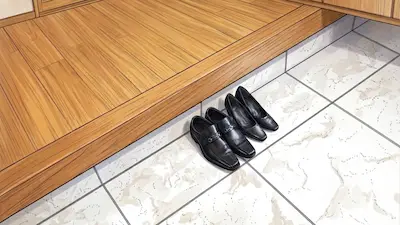
After removing shoes at the genkan, people usually place them neatly.
Many Japanese people turn around after taking off their shoes. Then they place the shoes facing the door.
This makes them easy to wear again when leaving.
It also keeps the entrance tidy.
At the same time, it shows consideration for the next person who uses the space.
This is a small action. However, it reflects an important part of Japanese etiquette.
Why Clean Socks Matter in Japanese Homes
Because people remove their shoes in Japan, socks become important.
When visiting a Japanese home, clean socks are considered good manners.
Many Japanese people pay attention to this small detail. It helps keep the home clean and comfortable.
Is It Rude to Be Barefoot in a Japanese Home?
Many visitors do not know this. However, entering a Japanese home barefoot can sometimes feel impolite.
Bare feet may leave sweat or oil on the floor or tatami. Because of this, many people prefer guests to wear socks.
When visiting a home in Japan, wearing clean socks is usually considered good manners.
Should You Step Over or Around Someone’s Shoes at the Genkan?
When entering a Japanese home, you might wonder if it’s okay to step over someone’s shoes.
In Japan, it is polite to walk around the shoes, not over them.
This shows respect for the home and the people living there.
Also, avoid touching shoes with your feet.
Small actions like this are noticed and appreciated.
Summary
In Japan, people take off their shoes indoors.
This is not just a rule. It reflects “uchi” (inside) and “soto” (outside).
You remove your shoes at the entrance, change into slippers, and take them off in tatami rooms.
Pay attention to your socks and how you place your shoes.
These actions show respect for others.
Learning Japanese also means understanding its culture.
For example, “Ojama shimasu” comes from the uchi-soto concept.
Knowing these rules helps you visit Japanese homes or ryokan with confidence.
Enjoying Japanese food? This article is also recommended:Chopstick(はし) Etiquette in Japan: Simple Rules to Dine with Respect
Japanese of the Day / 今日の日本語
- Word:Genkan(げんかん) – Entrance
- Meaning:The entry area where people remove their shoes.
- Example:玄関で靴を脱ぎます。(Genkan de kutsu o nugimasu.)
(You take off your shoes at the entrance.) - Fun Fact:Genkan literally marks the boundary between inside and outside.
◆ Would you like to talk about Japanese culture? ◆
In the Culture Course, you can learn to speak about Japanese culture with me.

日本を訪れた外国人がよく驚くことの一つが、「靴を脱ぐ習慣」です。
旅館や日本の家に入るとき、多くの人は玄関で靴を脱ぎます。
前回の記事では、ホテルと旅館の違いをご紹介しました。
ホテルでは靴のまま歩くことが多いのです。「いつ脱げばいいの?」と迷った経験がある人もいるかもしれません。
しかし、日本人にとって靴を脱ぐことは、生活習慣だけではありません。
そこには日本文化の大切な考え方である 「ウチ」と「ソト」 の区別が関係しています。
この記事では、日本の「靴を脱ぐ文化」を通して、日本人の空間の考え方やマナーをご紹介します。
玄関は「境界線」— 日本のウチとソト
日本の家には、玄関(げんかん / genkan) があります。
玄関には小さな段差があり、外から入るとそこで靴を脱ぎます。
この段差は建築としてのデザインだけではありません。
そこは 「ソト」と「ウチ」を分ける境界線 です。
ソトとウチという空間の考え方
ソトとは、社会や外の世界。
ウチとは、家族や自分のプライベートな空間です。
外から来た人は、玄関で靴を脱ぐことで「ソト」から「ウチ」に入ります。
これは汚れを持ち込まないためでもありますが、気持ちを切り替える意味もあります。
日本人にとって、家の中は 清潔で落ち着ける場所 です。
そのため、外で履いた靴のまま入ることは、あまりよいことではないと考えられています。
ウチとソトは人間関係にもある
「ウチ」と「ソト」という考え方は、空間だけでなく 人間関係 にも関係しています。
たとえば、家族や同じ会社の人など、自分のグループを「ウチ」と考えます。
そして、それ以外の人を「ソト」と考えることがあります。
この感覚は、日本語の話し方にも影響しています。
日本人は、自分のグループをへりくだって表現し、相手を立てる話し方をすることがあります。
家に入るときに 「お邪魔します」 と言うのも、相手の「ウチ」に入ることへの遠慮や敬意を表しています。
家の中にもルールがある?スリッパ文化
日本では、靴を脱いだあとにもいくつかのマナーがあります。
初めて日本の家を訪れる人が驚くことも多いですが、覚えておくと安心です。
ここでは、外国人が覚えておきたい靴マナーを紹介します。
スリッパに履き替える
家庭や旅館では、室内で スリッパ を履くことがあります。
来客用のスリッパを用意している家も多く、「どうぞ楽にしてください」というおもてなしの意味があります。
また、日本の学校では 上履き(うわばき) を使います。
生徒は校舎に入るとき、外で履いてきた靴から上履きに履き替えます。
これは校舎を清潔に保つための、日本独特の習慣です。
なぜ日本の家にはトイレスリッパがあるの?
日本の家では、トイレ専用スリッパ が置かれていることが多いです。
トイレは昔から「不浄(ふじょう)」と考えられていたため、トイレ専用の履き物を使う習慣があります。
トイレを出たら、必ず元のスリッパに履き替えます。
外国人がよくする失敗は、トイレスリッパのまま部屋に戻ってしまうことです。
もし気づいたら、静かに元に戻せば大丈夫です。
畳の上ではスリッパを履いてもいいの?
日本の家や旅館には、畳(たたみ)の部屋です。
畳の上では、スリッパを履かないのが一般的です。
スリッパはフローリング用の履き物で、畳の部屋に入る前に脱ぎます。
これは、畳を傷つけないため、そして清潔に保つためです。
そのため旅館などでは、スリッパ → 畳の部屋の前で脱ぐ。という流れになります。
玄関では靴はどう置く?
玄関で靴を脱いだあと、日本では 靴をきれいにそろえます。
多くの日本人は、靴を脱いだあとに くるっと体を回して、靴の向きをそろえます。
つま先を外(ドアの方)に向けて置くと、帰るときに履きやすくなるからです。
これは玄関をきれいに見せるだけでなく、次に使う人への配慮でもあります。
小さな行動ですが、日本人らしい気配りが表れているマナーです。
「裸足(はだし)」は失礼?
日本では靴を脱ぐので、靴下も重要です。
意外に知られていませんが、日本では 裸足で人の家に上がるのはあまりよくない と考えられることがあります。
それは、床や畳を 汗や皮脂で汚さないため です。
日本では、相手の空間を大切にすることがマナーです。
そのため、家を訪問するときは 靴下を履く のが一般的です。
夏でも靴下を持っていく人もいます。
また、日本では靴を脱ぐ機会が多いため、靴下の状態 も意外と見られています。
穴があいていたり、汚れていたりすると、少し恥ずかしい思いをするかもしれません。
靴を脱ぐ文化では、足元も身だしなみの一部です。
玄関で靴の上をまたいでもいいの?
日本の家に入るとき、靴の上をまたいでもいいのか迷う人もいます。
マナーとしては、靴の横を歩くようにします。
靴を踏まないことで、家や住んでいる人への敬意を示せます。
また、靴に足をぶつけないように注意します。
まとめ
日本では靴を脱ぐ習慣があります。
これはただの生活ルールではありません。「ウチ」と「ソト」という考え方が背景にあります。
まず、家に入るときは玄関で靴を脱ぎます。そして、スリッパに履き替え、畳の上ではスリッパを脱ぎます。
靴下の状態にも気を配ります。靴の置き方や足元のマナーも大切です。
これらの行動は、相手への敬意や配慮を示します。
日本語を学習するだけでなく、文化の背景を知ることは大切です。
例えば「お邪魔します」という表現も、ウチとソトの考え方から生まれています。
最初は戸惑うかもしれません。しかし、知っておくと安心して旅館へ行ったり、日本人の家を訪問できます。
文化やマナーを理解することで、日本への旅行や滞在をより楽しくすることができます。
日本食を楽しむなら、こちらの記事もおすすめです。:Chopstick(はし) Etiquette in Japan: Simple Rules to Dine with Respect