

What is Tsuyu (梅雨, Rainy Season)?
In Japan, there is a period of continuous rain from June to July.
We call this season Tsuyu.
In this post, I will introduce the customs and the charm of the words related to Tsuyu.
What is Tsuyu?
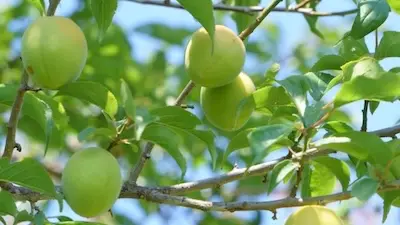
The word Tsuyu is written with the characters for 梅 (Ume , Plum) and 雨 (Ame, Rain).
This is because plums ripen and reach harvest season during this time.
In June, people in Japan make Umeboshi (Pickled plums) and Umeshu (Plum wine).
To learn more about plum blossoms, please see.
[Beyond Sakura: Early Spring Flowers in Japan]
Key Terms: Tsuyuiri and Tsuyuake
Also, there are two important terms to remember about this season.
- Tsuyuiri (梅雨入り): The beginning of the rainy season.
- Tsuyuake (梅雨明け): The end of the rainy season.
While waiting for Tsuyuake, the continuous rain is vital for agriculture.
It is Megumi no ame (恵みの雨, Blessed rain) for growing newly planted rice.
“Because of this rain, we can eat delicious rice in the fall.”
The word Tsuyu also reflects a sense of gratitude toward nature.
Ajisai : Jewels of the Rainy Season
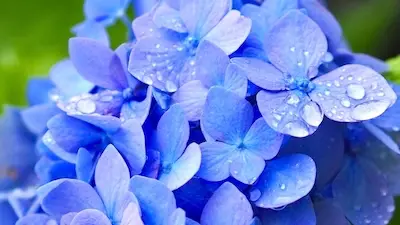
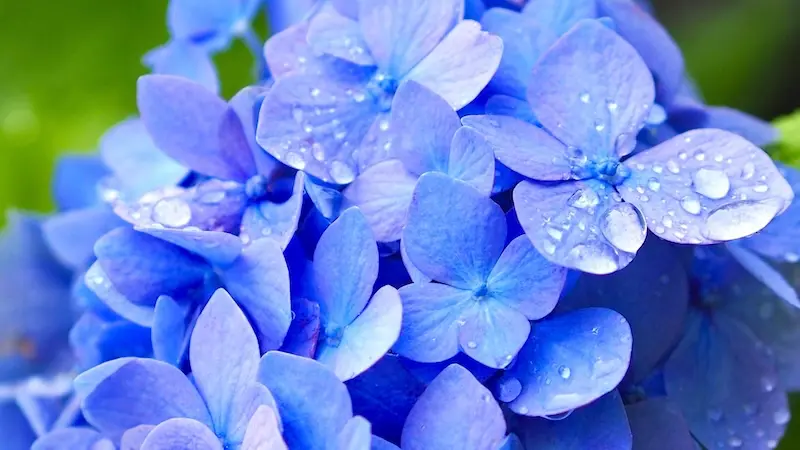
During the rainy season, Ajisai beautifully colors the Japanese landscape.
In English, Ajisai is called a hydrangea.
This flower is native to Japan and has long been loved by the Japanese people.
The colors of these flowers look more vibrant when they are wet with rain.
Shining with raindrops, they look just like jewels.
Hydrangeas have another name.
It is Shichigenge (七変化, Seven Transformations).
This is because the flowers bloom in various colors depending on the soil.
- Sansei no tsuchi: Blue flowers bloom.
- Arukari-sei no tsuchi: Red (pink) flowers bloom.
The color changes even for the same species of hydrangea.
This depends on the soil where it is planted.
The Deep Connection Between Ajisai and Temples
There are temples called Ajisai-dera (あじさい寺, Hydrangea Temples) all over Japan.
Why are there so many hydrangeas at temples?
Actually, there is a historical reason for this.
In the past, medical care was not very advanced.
Because of this, many people passed away from illnesses during the rainy season.
Temples planted hydrangeas to mourn those people.
It is said that they did this to honor those who passed away.
These flowers bloom beautifully even in the rain.
Today, many people visit to see the beautiful scenery.
The bright colors of these flowers may have the power to heal people’s hearts.
The Beauty of Greenery Nurtured by Rain
Trees grow vigorously with the rain during Tsuyu.
As a result, the forest greenery becomes deeper every day.
In particular, Koke (苔, Moss) grows the most during this season.
Moss absorbs water and spreads. It looks very beautiful.
Also, there are breaks in the rain.
At these times, Komorebi (木漏れ日, Sunlight filtering through trees) shines through.
Wet leaves reflect the light.
This scenery is unique to this season.
In this way, watching the greenery quietly is a way for adults to enjoy Tsuyu.
Onomatopoeia to Describe Rain
Japanese has many Onomatopoeia (オノマトペ).
These words describe the rain and the atmosphere.
Using them allows you to explain a scene in detail.
- Jime-jime (ジメジメ): This describes a humid and sticky feeling in the air.
Ex: 今日は ジメジメ しています。
(Kyou wa jime-jime shite imasu.)
“It is humid today.” - Shito-shito (しとしと): This describes a quiet and gentle continuous rain.
Ex: 雨が しとしとと ふっています。
(Ame ga shito-shito to futte imasu.)
“The rain is falling gently.” - Zaa-zaa (ザーザー): This describes heavy and strong rain.
Ex: 急に 雨が ザーザーと 降ってきました。
(Kyuu ni ame ga zaa-zaa to futte kimashita.)
“It suddenly started raining heavily.” - Potsu-potsu (ポツポツ): It describes rain starting little by little.
Ex: 雨が ポツポツと 降っています。
(Ame ga potsu-potsu to futte imasu.)
“It is starting to sprinkle.”
Conclusion
Tsuyu rain is a vital blessing for growing delicious rice.
The history of hydrangeas and the beauty of greenery are special.
They will change how you see rainy days.
Please enjoy the Joucho (情緒, atmosphere) of Tsuyu.
Experience it through Japanese words and culture.
Discover more about Japanese culture in the Japan & Culture category.
Related Posts

 Why do Japanese people say “Chotto” So Much?
梅雨とは何でしょうか。
日本では6月から7月にかけて、雨が降り続く時期があります。
この時期を私たちは「梅雨」と呼びます。
今回は、梅雨にまつわる習慣と言葉の魅力についてご紹介します。
「梅雨(つゆ)」って何?
「梅雨」は、「梅」と「雨」という漢字で書きます。
それは、この時期に梅の実が熟し、収穫の時期を迎えるからです。
日本では6月になると、収穫した梅で梅干しや梅酒などを作ります。
また、梅雨の時期に覚えておきたい大切な言葉が二つあります。
- 梅雨入り: 梅雨が始まること
- 梅雨明け: 梅雨が終わること
この「梅雨明け」を待つ間、降り続く雨は農業にとって非常に重要です。
田植えをしたばかりの稲を育てるために、なくてはならない恵みの雨となります。
「この雨があるから、秋に美味しいお米が食べられる。」
梅雨という言葉には、そんな自然への感謝の気持ちも込められています。
梅の花については、こちらの記事をご覧ください。
[Beyond Sakura: Early Spring Flowers in Japan]
雨の中に咲く宝石「紫陽花(あじさい)」
梅雨の時期、日本の景色を美しく彩るのが「紫陽花」です。
紫陽花は日本が原産の花で、古くから日本人に愛されてきました。
この花は、雨に濡れることで色がより鮮やかに見えます。
雨のしずくをまとって輝く姿は、まるで宝石のようです。
紫陽花には「七変化(しちへんげ)」という別名があります。
これは、土の性質によっていろいろな色の花が咲くからです。
- 酸性の土: 青色の花が咲く
- アルカリ性の土: 赤(ピンク)色の花が咲く
同じ種類の紫陽花でも、植えられている場所の土によって色が違います。
紫陽花とお寺の深い関係
日本には「あじさい寺」と呼ばれるお寺が全国にあります。
なぜ、お寺には紫陽花が多いのでしょうか。
実は、そこには歴史的な理由があります。
昔は今ほど医療が発達していませんでした。
そのため、梅雨の時期に病気で亡くなる方がたくさんいました。
そこで、亡くなった方々を供養するために紫陽花を植えたと言われています。
紫陽花は雨の中でもきれいに咲く花だからです。
現代では、そのきれいな景色を楽しみに多くの人が訪れます。
紫陽花の鮮やかな色には、心を癒やす力があるのかもしれません。
雨が育む緑の美しさ
梅雨の雨を受けて、木々は勢いよく成長します。
森の緑は日ごとに濃くなっていきます。
特に、苔はこの時期に最も成長します。
水分を吸った苔が広がる様子は、とてもきれいです。
また、雨上がりの晴れ間には、木漏れ日が差し込みます。
濡れた葉が光を反射する景色は、この時期にしか見られません。
このように、静かに緑を眺めるのは、大人の梅雨の楽しみです。
日本の美意識については、こちらの記事をご覧ください。
[What Is Wabi-Sabi? Understanding Japanese Beauty]
雨を表現するオノマトペ
日本語には、雨の様子や空気感を伝える「オノマトペ」があります。
これらを使うことで、情景を詳しく伝えることができます。
- ジメジメ(する):
湿気が多くて、空気がベタつく感じを表します。
例文: 今日は ジメジメ しています。 - しとしと(と降る):
静かに、優しく降り続く雨のことです。
例文: 雨が しとしとと ふっています。 - ザーザー(と降る):
激しく、強く降る雨のことです。
例文: 急に 雨が ザーザーと 降ってきました。 - ポツポツ(と降る):
雨が少しずつ降り始めた時の状態です。
例文: 雨が ポツポツと 降っています。
今現在の状況を表すときは、後ろに「〜ている」をつけます。
まとめ
梅雨の雨は、美味しいお米を作るために欠かせない恵みです。
紫陽花の歴史や緑の美しさを知ると、雨の日の景色が変わります。
日本の言葉や文化を通して、梅雨の情緒をぜひ味わってみてください。
日本文化についてもっと知りたい方は、Japan & Culture カテゴリをご覧ください。