

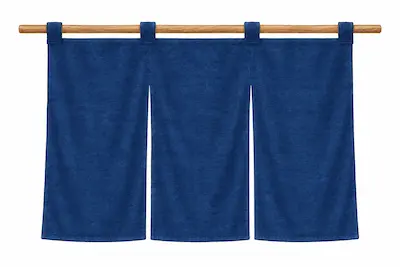
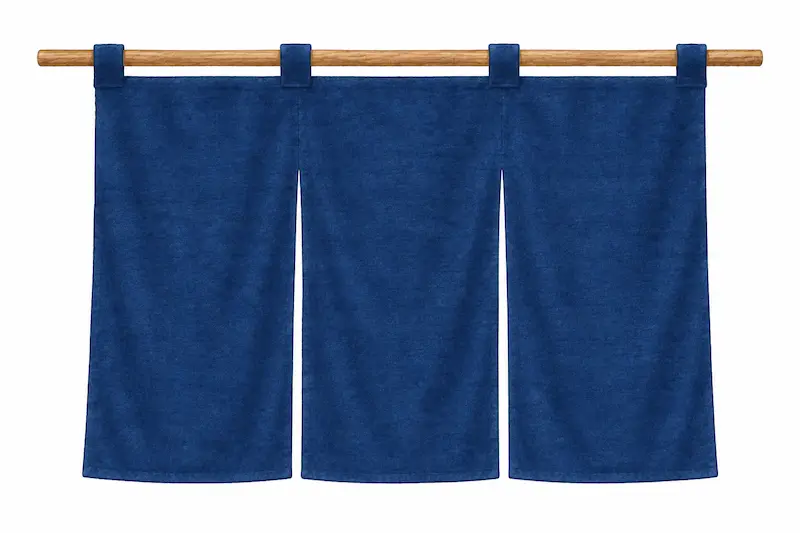
暖簾 (Noren) are traditional Japanese fabric curtains often seen at shop entrances.
Today, they are a familiar part of Japan’s streetscape.
Their shapes and colors reflect practical wisdom.
At the same time, they reveal the history of Japanese commerce.
What Is Noren?
Noren are fabric curtains hung at building entrances or storefronts.
Restaurants, ryokan inns, and public bathhouses often use them.
A noren creates a soft boundary between outside and inside.
The space remains partly open rather than fully closed off.
Origins and Practical Uses
At first, noren were used to protect living spaces rather than identify shops.
The Origins of Noren
No exact date is known for the origin of noren.
Early forms are believed to date back to the Heian period.
People hung cloth over entrances to their homes.
This helped block strong sunlight, wind, and dust.
It was also used as a screen to block the view from outside.
Early noren are believed to have been practical items used to protect living spaces.
Why Do Noren Have Slits?
A typical noren is made from several pieces of fabric placed side by side.
Each piece is called a 巾 (kin).
Only the upper parts are joined, leaving the lower sections divided.
People can pass through by gently pushing the fabric aside.
Lifting the entire curtain is not necessary each time.
It is also easier to pass through while carrying something.
Slits allow wind to pass through more easily as well.
This distinctive shape reflects practical design choices for everyday use.
Noren and Merchants in the Edo Period
Originally used in daily life, noren took on new roles as commerce developed.
A Sign to Identify a Shop
During the Kamakura period, plain white or navy noren were used.
Shop designs gradually appeared on them.
By the Muromachi period, shops used their own distinctive designs.
Noren now helped customers tell shops apart.
Noren as Written Signs and Advertising
The Edo period brought another change.
Reading and writing became more common among townspeople.
More noren began to feature written words.
Shop names, products, and types of business appeared on the fabric.
Among them, the shop name was especially important.
Large lettering made it easy to see from the street.
Customers could identify the shop by its name.
They could also see what kind of business it was.
Noren became an important sign for identifying a shop.
They also served as advertising for the business.
Noren as the “Face” of a Shop
Like signboards, noren helped people recognize a shop.
Hanging one at the entrance also showed that the shop was open.
Over time, long-established shop names gained trust.
Noren displayed those names.
They also came to represent a shop’s history and reputation.
Expressions Using “Noren”
This idea still appears in Japanese expressions.
暖簾分け (Noren-wake) allowed a long-time worker to open an independent shop.
The person could also use the established shop name.
暖簾を守る (Noren o mamoru) means “to protect the noren.”
It refers to preserving a shop’s reputation and traditions across generations.
In this way, noren became more than simple shop signs.
They came to symbolize trust and tradition.
Noren as the “Face” of a Shop
Like signboards, noren helped people recognize a shop.
Hanging one at the entrance also showed that the shop was open.
Over time, long-established shop names gained trust.
Noren displayed those names.
They also came to represent a shop’s history and reputation.
Expressions Using “Noren”
This idea still appears in Japanese expressions.
Noren-wake allowed a long-time worker to open an independent shop.
The person could also use the established shop name.
Noren o mamoru means “to protect the noren.”
It refers to preserving a shop’s reputation and traditions across generations.
In this way, noren became more than simple shop signs.
They came to symbolize trust and tradition.
Why Are So Many Noren Navy or Indigo?
The colors of noren also reveal Japan’s long history of dyeing.
Indigo Colors with a Long History
Indigo blue is a traditional Japanese color made with dye from indigo leaves.
Japan has a long history of indigo dyeing.
Navy blue was also used before the Edo period.
Plain navy noren are believed to have existed by the Kamakura period.
During the Edo period, dye shops became more common.
Popular Colors for Noren
Navy blue, indigo blue, and brown were among the most common colors.
Many noren had white shop names dyed onto dark fabric.
The strong contrast made the names easy to read.
Indigo was also a familiar color among merchants.
Kimono shops especially favored indigo.
It was believed to help protect fabric from insects.
This practical benefit also helped indigo shades become widely used.
Indigo Dyeing and Japanese Blues
Indigo used for noren can produce many shades of blue.
Indigo dyeing creates different blues depending on the depth of the color.
Different Shades of Indigo
Ai-iro is a deep traditional blue that represents Japanese indigo dyeing.
Kon-iro is an even darker indigo shade.
Other colors, such as Hanada-iro and Asagi-iro, have also been produced with indigo.
Different dyeing depths create a wide range of blues.
Hanada-iro and Kamenozoki have also traditionally been dyed with indigo.
Kamenozoki is one of the palest indigo blues.
Japanese culture gives names to very subtle differences in color.
This is one feature of its rich dyeing tradition.
Learn about the history and culture of traditional Japanese colors.
[Traditional Japanese Colors: History, Culture, and Modern Influence]
Noren Colors and Business
During the Edo period, shop colors often had meaning.
Some colors were linked to certain businesses.
For example, white noren were common at confectionery shops.
Medicine shops also used them.
Brown was commonly used by tobacco shops.
Color was not used only for decoration.
It also helped suggest a shop’s image or type of business.
However, these were not fixed rules across Japan.
Colors varied by region and from shop to shop.
Some colors were also passed down as part of a shop’s tradition.
Noren colors reflected both the character of a shop and its history.
Modern Noren
These days, shops often choose colors and designs to match their image.
Using Color to Shape a Shop’s Image
Old color customs linked to certain businesses gradually became less common.
Red, green, purple, and many other colors are now used freely.
For example, green noren are sometimes seen at tea shops.
Yellow-green is also common at Japanese-style cafes.
These colors can suggest tea leaves, matcha, or fresh new leaves.
Such shades naturally fit the image of tea.
However, green was not traditionally the color of tea shops.
During the Edo period, green was not commonly used for noren.
Navy and indigo are still widely seen today.
Some designs combine these traditional colors with modern logos.
Traditional Uses That Still Remain
Even as designs became more flexible, some traditional uses remained.
Shops hang noren when they open.
They take them down when they close.
Some shops still follow this custom today.
Colors and designs have changed over time.
Even so, noren are still used as the “face” of a shop.
Conclusion
Noren were originally practical items.
They helped block sunlight and wind.
Later, they became shop signs and advertising.
They also came to represent trust and tradition.
Even today, noren reflect Japan’s culture of daily life and commerce.
Discover more about Japanese culture in the Japan & Culture category.
Related Posts

 What Is Tenugui? Japan’s Everyday Cloth
日本の店先で見かける「暖簾(のれん)」。
今では、日本らしい風景の一つです。
その形や色をたどると、暮らしの知恵と商いの歴史が見えてきます。
暖簾とは?
建物の入口や店先に掛ける布を「暖簾」といいます。
飲食店や旅館、銭湯などで、今もよく見かけます。
布一枚で外と内を完全に閉ざさず、ゆるやかに仕切るのも特徴です。
始まりと実用的な役割
最初は、店を示すものではなく、暮らしを守るために使われました。
暖簾の始まり
発祥の時期は定かではありません。
その原型は、平安時代までさかのぼるとされています。
当時は、家の出入口などに布を掛けました。
強い日差しや風、埃を防ぐためです。
また、外からの視線を遮る目隠しとしても使われました。
初期の暖簾は、生活空間を守るための実用品だったと考えられています。
なぜ暖簾には切れ目があるの?
一般的な暖簾は、数枚の布を横に並べて仕立てます。
この一枚一枚を「巾(きん)」と呼びます。
上部はつながっていますが、下の部分には切れ目があります。
そのため、布の間を押し分けて通ることができます。
出入りのたびに、布全体を持ち上げる必要はありません。
荷物を持っているときにも通りやすくなります。
また、切れ目があることで風も抜けやすくなります。
特徴的な形には、日常で使いやすくする工夫があります。
江戸時代の商家と暖簾
暮らしの道具だった暖簾は、商業の発達とともに役割を広げていきます。
店を見分ける目印へ
鎌倉時代には、白や紺の無地の暖簾に、店を表す図柄が入るようになったとされています。
室町時代には、店ごとに独自の図柄を使うようになりました。
この頃から、暖簾は店を見分けるための目印としても使われます。
江戸時代に入ると、町人などの間にも読み書きが広がりました。
それに伴い、文字を染め抜いた暖簾も増えていきます。
屋号や商品名、業種などが文字で示されるようになりました。
中でも屋号は、その店を表す大切な名前でした。
暖簾に大きく掲げれば、通りを歩く客にも店名が伝わります。
何を扱う店なのかを知らせることもできました。
こうして暖簾は、店を示す目印になりました。
同時に、商いを伝える広告としても使われました。
暖簾は店の「顔」
看板と同じように、暖簾にも店を知らせる役割がありました。
そして、入口に掛けることで、営業中の合図にもなりました。
やがて、長く商売を続ける店では、屋号そのものに信用が生まれました。
その名前を掲げる暖簾も、店の歴史や評判を表すようになります。
こうした考え方は、日本語にも残っています。
「暖簾」という言葉を使った表現もあります。
「暖簾分け」は、その一つです。
長年店で働いた人の独立を認め、屋号を使うことを許すことを表します。
「暖簾を守る」も、店の歴史や信用に関わる表現です。
代々受け継がれてきた信用や伝統を守ることを意味します。
暖簾は、店を知らせる目印から、店の信用を象徴するものへと変わっていきました。
なぜ紺や藍色の暖簾が多いの?
色に注目すると、暖簾と日本の染色文化との関係も見えてきます。
昔から使われてきた藍の色
藍色は、藍の葉から作る染料で染めた青をもとにした伝統色です。
日本では、古くから藍染めが行われてきました。
紺色も、江戸時代より前から使われていた色です。
鎌倉時代には、すでに紺無地の暖簾が見られたとされています。
江戸時代には染め物屋が発達ししました。
中でもよく使われたのが、紺色や藍色、茶色などの落ち着いた色です。
濃い地色に屋号を白く染め抜く暖簾も多く見られました。
白い文字とのコントラストが強く、屋号も見やすくなります。
また、藍色は商家でも身近な色でした。
防虫との関係から、呉服店でも好まれたとされています。
こうした実用性も、藍色系の色が広まった理由の一つです。
藍染めと日本の青
暖簾によく使われた藍色には、多くの青系の色があります。
藍染は色の濃さによって、さまざまな青が生まれます。
藍色は、藍染めを代表する深い青色の伝統色です。
そして、紺色は、より濃く染めた藍系の色です。
他にも縹色や浅葱色も、藍を使って染められてきました。
同じ藍染でも色の濃さなどによって様々な青色があります。
縹色や瓶覗も藍を使って染められてきました。
瓶覗は、藍染めの中でもとても淡い青です。
こうした小さな色の違いに名前が付けられていることも、日本の染色文化の特徴です。
日本の伝統色の歴史や文化について紹介しています。
[Traditional Japanese Colors: History, Culture, and Modern Influence]
暖簾の色と商売
江戸時代には、業種によって使われる色にも傾向がありました。
たとえば、白い暖簾は菓子屋や薬屋などで見られました。
茶色は、煙草屋などで使われることが多かったとされています。
色は装飾だけではありません。
店の印象や業種を伝える手掛かりにもなりました。
ただし、全国で同じ決まりがあったわけではありません。
地域による違いや、店ごとに受け継がれた色もありました。
暖簾の色には、その店らしさと商いの歴史が表れていました。
現代の暖簾
今では、色やデザインを店のイメージに合わせて選ぶことが多くなりました。
色で店のイメージを伝える
昔のような業種ごとの色の習慣は、次第に薄れていきました。
現在では、赤色や緑色、紫色なども自由に使われています。
たとえば、茶舗や和風のカフェでは、緑色や黄緑色の暖簾を見かけることがあります。
茶葉や抹茶、新芽を思わせる色で、お茶のイメージとも自然につながります。
しかし、緑色が昔からお茶屋の色だったわけではありません。
江戸時代には、緑色は暖簾にあまり使われない色でした。
一方、紺や藍は現在もよく見られます。
伝統的な雰囲気を残しながら、現代的なロゴを組み合わせたデザインもあります。
今も残る昔ながらの使い方
デザインが自由になっても、昔から続く役割は残っています。
営業を始めると暖簾を掛け、店を閉めるとしまう。
今でも、この習慣を続けている店があります。
色やデザインは時代とともに変化しました。
それでも、暖簾は今も店の「顔」として使われています。
まとめ
暖簾は、もともと日差しや風を防ぐ実用品でした。
その後、店を示す目印や広告として使われるようになります。
やがて、店の信用や伝統を表す存在にもなりました。
今も暖簾には、日本の暮らしと商いの文化が残っています。
日本文化についてもっと知りたい方は、Japan & Culture カテゴリをご覧ください。