


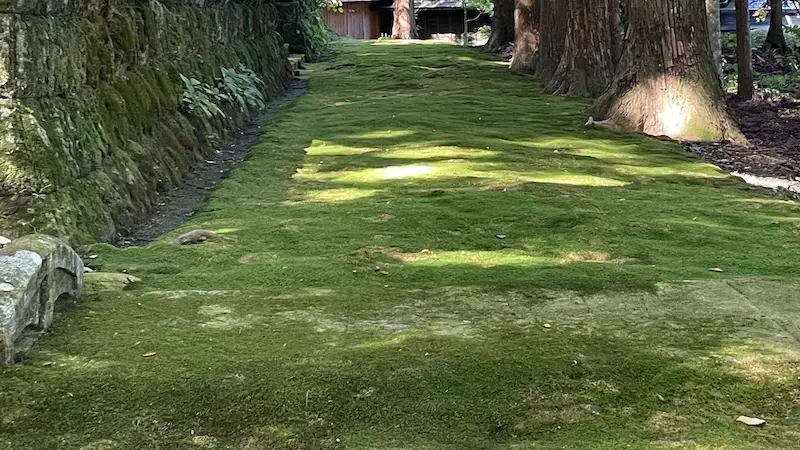
What comes to mind when you see stones and paths covered in 苔 (koke, moss)?
In Japan, moss-covered landscapes have long been valued.
They are often seen in Japanese gardens, temples, and shrines.
Moss Around the World
Moss grows in many different regions around the world.
It can be found in temperate forests, tropical areas, and cold regions.
For example, in rainy forests, moss grows on the ground, rocks, and trees.
Tropical rainforests also have moss growing on tree trunks and branches.
Meanwhile, moss can also survive in very cold regions.
It grows in places such as the Arctic tundra and Antarctica.
These cold environments make it difficult for larger plants to grow.
Moss can become an important part of the landscape.
Overall, moss is not limited to one type of region.
Different types grow in climates and environments that suit them.
Moss in Different Environments
The environments where moss grows vary by species.
Some types prefer damp places, while others can grow in relatively dry areas.
Moss also grows on many different surfaces.
Some species spread across rocks and tree bark, not just soil.
Each type of moss grows where the climate, light, and moisture suit its needs.
Why Moss Grows Well in Japan
Many types of moss grow in Japan.
Frequent rain and high humidity create good conditions for moss to grow.
Japan also has many forests.
Trees block strong sunlight and help the ground stay moist.
As a result, moss is often seen under trees and around stones at shrines and temples.
Many Japanese temples and shrines have large trees on their grounds.
Some temples are also surrounded by mountains or forests.
Shade from these trees helps keep the ground from drying out.
This is one reason moss is so common at temples and shrines in Japan.
The Long History of Moss in Japanese Culture
Moss has been a familiar part of life in Japan for centuries.
It also appears frequently in classical Japanese literature.
Moss and the Passage of Time
In old Japanese literature, moss sometimes represents the passage of time.
The expression “koke musu” (苔むす) is one example.
It means “to become covered with moss.”
It takes time for moss to spread over stones and trees.
For this reason, moss-covered surfaces can suggest age and the passing of years.
Moss was not only a familiar plant in Japan.
It also became a symbol of time passing.
Moss in Japanese Gardens
Moss has long been closely connected with Japanese gardens.
By the 14th century, moss was used in Japanese gardens.
It became an important design element.
Moss was used with stones and trees to create a natural landscape.
Gardens covered with moss can still be seen across Japan today.
Moss in Temple and Shrine Gardens
Temple and shrine gardens often feature moss.
Many of these places have trees that provide shade and help retain moisture.
Moss spreads naturally between stones and trees.
As a result, it can bring a sense of unity to the whole garden.
A carefully designed garden can also change naturally over time.
Moss is one element that helps create this distinctive Japanese garden landscape.
Why Moss Is Considered Beautiful in Japan
There are three main reasons moss has long been appreciated in Japan.
Its beauty is one reason. Japanese ideas of beauty also play an important role.
The Beauty of Spreading Green
Each moss plant is very small.
However, when moss spreads, it can create a landscape like a green carpet.
Moss comes in many shades of green.
Some are bright, while others are deep and dark.
After rain, the colors can look even more vivid.
Moss does not add color in one place like flowers do.
Instead, it spreads across the ground and shapes the look of the entire landscape.
Harmony with Nature
Japanese gardens are designed to reflect natural landscapes.
Stones, water, trees, and plants are combined to create a sense of nature.
Moss is also an important part of this landscape.
By covering stones and the ground, it helps the different elements blend naturally.
It also brings a sense of unity to the entire garden.
This harmony with nature has long been valued in Japanese garden design.
Finding Beauty in Changes Over Time
Japanese aesthetics often find value in the changes that come with age.
Weathered stones and faded wood can show the passage of time.
When moss spreads over them, it adds another natural layer of change.
Moss-covered stones, trees, and paths have a different charm from new ones.
Such changes are accepted as part of the landscape.
This sense of beauty has also helped make moss-covered scenery popular in Japan.
Moss and Wabi-Sabi
Moss is sometimes discussed together with 侘び寂び (wabi-sabi).
Wabi-sabi is an idea that finds beauty in simplicity and natural change.
It does not see only perfect things as beautiful.
Moss-covered stones and old trees show changes made by nature.
For this reason, mossy landscapes can reflect some aspects of wabi-sabi.
However, moss itself does not mean wabi-sabi.
Blending naturally into the surroundings.
Enjoying the beauty of green spreading across a surface.
Finding value in things that have aged over time.
These ideas help explain why moss-covered scenery is often seen as beautiful in Japan.
For more about 侘び寂び (wabi-sabi), please see the following article.
[What Is Wabi-Sabi? Understanding Japanese Beauty]
Conclusion
Moss grows in many parts of the world and is also common in Japan.
In Japan, moss-covered scenery has long been valued at temples and in gardens.
Its spreading green color and harmony with nature are part of its appeal.
Finding beauty in changes over time is also connected to 侘び寂び (wabi-sabi).
Discover more about Japanese culture in the Japan & Culture category.
Related Posts


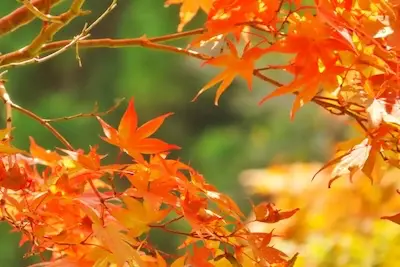
苔に覆われた石や道を見たとき、どんな印象を持ちますか。
日本では、苔のある風景が庭園や寺社などで大切にされてきました。
今回は、苔と日本の文化との関わりを見ていきます。
世界各地に見られる苔
苔は世界のさまざまな地域に生育しています。
温帯の森林だけでなく、熱帯や寒冷な地域でも見ることができます。
たとえば、雨の多い森林では、地面や岩、木の表面などに苔が育ちます。
熱帯雨林では、木の幹や枝に生える苔もあります。
一方、北極圏のツンドラや南極のような寒い地域にも苔は生育しています。
大きな植物が育ちにくい環境で、苔が植物の景観をつくることもあります。
このように、苔は特定の地域だけに見られる植物ではありません。
それぞれの気候や環境に合った種類が、世界各地で育っています。
さまざまな環境で育つ苔
苔が育つ環境は、種類によって異なります。
湿った場所を好むものもあれば、比較的乾燥した場所で育つものもあります。
生える場所もさまざまです。
土だけでなく、岩や木の表面に広がる種類もあります。
気候や光、水分などの条件に合った苔が、それぞれの地域で育っています。
日本で苔が育ちやすい理由
日本にも多くの種類の苔が生育しています。
雨が多く、湿度が高いことは、苔が育つのに適した条件の一つです。
森林が多いことも関係しています。
木々に囲まれた場所では、強い日差しが遮られます。
そのため、地面の水分が保たれやすくなります。
神社や寺でも、木の下や石の周りに苔をよく見かけます。
日本の寺や神社には、多くの木が残されています。
寺院には、山や森に囲まれた場所に建てられたものも多くあります。
木々が日差しを遮るため、境内は地面が乾きにくくなります。
こうした環境も、寺社で苔をよく見かける理由の一つです。
日本人と苔の長い歴史
日本では、古くから苔が身近な植物として知られていました。
苔は、日本の古典文学にも、たびたび登場します。
時間を表す苔
古い文学では、苔が時間の経過を表すものとして使われることがあります。
「苔むす」という言葉もその一つです。
苔が生えることを意味します。
石や木に苔が広がるには時間がかかります。
そのため、苔むした姿から古さや年月を連想することがあります。
苔は身近な植物であると同時に、時間の経過を感じさせる存在でもありました。
日本庭園と苔
苔は、日本庭園とも深く関わってきました。
14世紀ごろには、苔も庭を構成する要素として取り入れられるようになります。
石や木と組み合わせ、自然を感じさせる景観をつくるためにも使われました。
地面を苔が覆う庭は、現在でも日本各地で見ることができます。
日本の寺や神社では、苔に覆われた庭や石をよく見ることができます。
木々が多く、日陰や湿気が保たれやすいことも理由の一つです。
苔は、石や木の間を自然につなぐように広がります。
そのため、庭全体にも、まとまりが生まれます。
人が整えた庭に、自然の変化が加わる。
苔は、そうした日本の庭の景観をつくる要素の一つです。
なぜ日本では苔を美しいと感じるのか
日本で苔が好まれてきた理由は、大きく三つに分けられます。
苔そのものの美しさに加え、日本の美意識とも関係しています。
広がる緑の美しさ
一つ一つの苔は小さな植物です。
しかし、まとまって広がると、緑の絨毯のような景観になります。
苔の緑には、明るい色から深い色までさまざまな濃淡があります。
雨に濡れると、より鮮やかに見えることもあります。
花のように一か所を華やかに彩るものとは違います。
苔は広がることで、景観全体の印象をつくります。
自然との調和
日本庭園は、自然の景観を凝縮して表現したものです。
石や水、木、植物を組み合わせ、自然を感じられる景観をつくります。
苔も、その景観を構成する要素の一つです。
石や地面を覆うことで、それぞれの要素が自然になじんで見えます。
また、庭全体にまとまりを与える役割もあります。
こうした自然との調和は、日本庭園で大切にされてきました。
年月による変化にも美しさを見つける
日本の美意識には、年月を経たものの変化に価値を見いだす考え方があります。
風化した石や、色が変わった木にも、その場所が重ねてきた時間が表れます。
そこに苔が広がることで、景観にも自然な変化が加わります。
苔に覆われた石や木、道には、新しいものとは違った魅力があります。
年月による変化を、その景観の一部として受け入れます。
こうした感覚も、日本で苔のある景観が好まれてきた背景にあります。
苔と侘び寂び
苔は、侘び寂び(wabi-sabi)と一緒に語られることがあります。
侘び寂びは、簡素なものや自然に変化したものに美しさを見つける考え方です。
完全に整った状態だけを美しいと捉えません。
苔に覆われた石や古い木には、自然による変化が表れています。
そのため、苔のある景色は侘び寂びの感覚と重なる部分があります。
ただし、苔そのものが侘び寂びという意味ではありません。
自然の中になじむこと。
一面に広がる緑の美しさを楽しむこと。
古くなったものにも価値を見つけること。
こうした感覚が、苔のある景色を美しいと感じることにつながっています。
侘び寂びについて詳しく知りたい方は、次の記事もご覧ください。
[What Is Wabi-Sabi? Understanding Japanese Beauty]
まとめ
苔は世界各地に生育し、日本でも身近に見られる植物です。
日本では、寺や庭園などで苔のある景観が大切にされてきました。
広がる緑の美しさや、自然との調和も、苔の魅力です。
また、年月による変化に価値を見いだす感覚は、侘び寂びにもつながります。
日本文化についてもっと知りたい方は、Japan & Culture カテゴリをご覧ください。