

What is Washi?|Traditional Japanese Paper
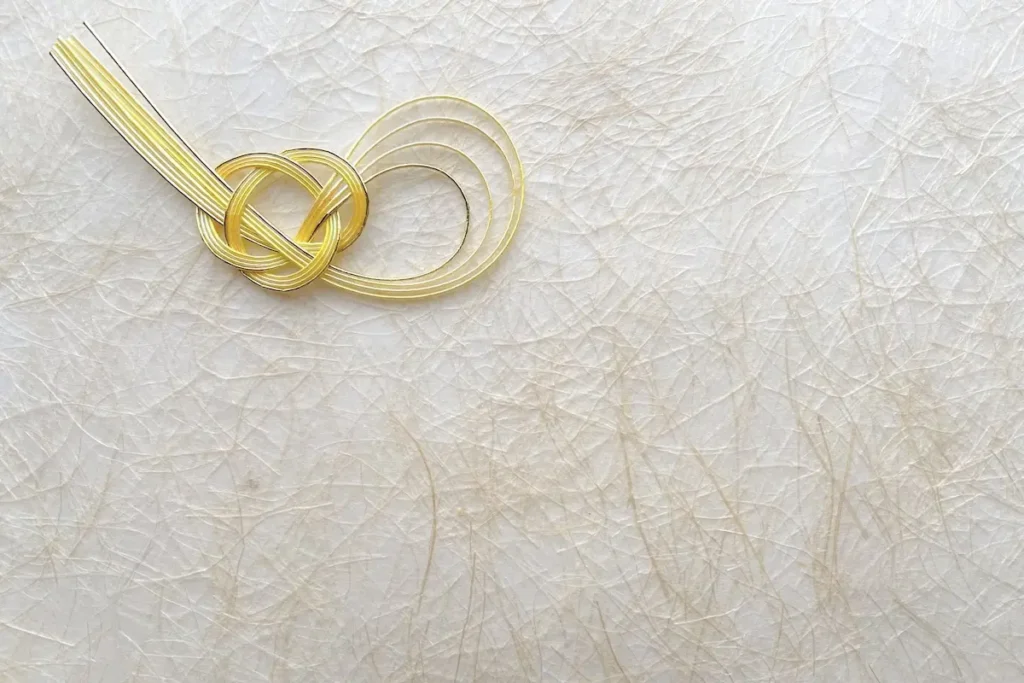
和紙 (Washi) is traditional Japanese paper with over a thousand years of history.
It is admired for its beauty and strength.
In addition, it is highly valued worldwide.
In 2014, it was registered as an Intangible Cultural Heritage.
The official name is “Washi: the craftsmanship of Japanese hand-made paper.”
History of Washi
Washi was introduced to Japan from China during the Nara period (8th century).
It then developed uniquely in Japan.
At first, nobles, temples, and Buddhist scriptures used it for documents.
Later, its use spread to daily items and letters.
During the Heian period, washi played an important role in culture and art.
It was used for decorations and picture scrolls.
In the Edo period, it became popular among townspeople and commoners.
Washi became an essential part of Japanese daily life.
Furthermore, the technique of hand-made washi was refined in various regions.
It continues to be passed down to this day.
Materials and Features of Washi
The main materials of washi are as follows.
- Kozo (mulberry)
Strong with long fibers.
It is the basic material for paper making. - Mitsumata
Soft fibers that create smooth-textured paper. - Gampi
Fine fibers with a glossy finish.
It produces thin and strong paper.
Currently, the most widely used material for washi is kozo.
Traditional Craftsmanship vs. Western Paper
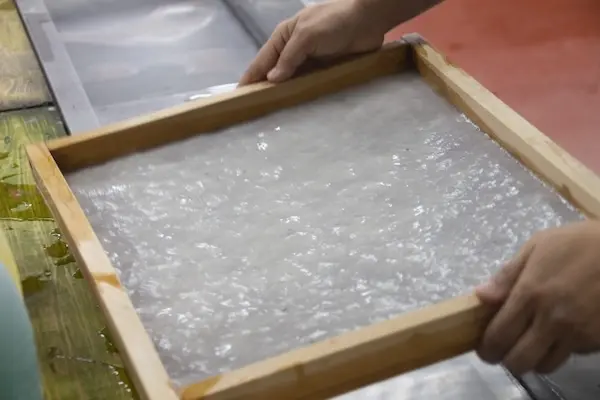
Washi is often made by hand, called tesuki (手漉き) in Japanese.
Tesuki is a manual paper-making method.
Artisans form each sheet one by one in a vat.
Carefully layering the fibers makes the paper strong and beautiful.
This process brings out the unique character of each material.
Western paper is made from wood pulp.
It is suitable for mass production.
Today, it is widely used for textbooks, newspapers, and printed materials.
Decline and Modern Use of Washi
During the Meiji period, Western paper began to be used.
It was used for textbooks and printed materials.
As a result, the demand for washi decreased.
However, traditional washi is still made in famous production areas today.
Those areas include the following.
- Mino (Gifu Prefecture)
- Sekishu (Shimane Prefecture)
- Hosokawa (Saitama Prefecture)
The Unique Qualities of Washi
Washi has long fibers.
This makes it very strong and resistant to tearing.
It also has a soft texture that lets light pass through.
In addition, it has a warmth that Western paper does not have.
Therefore, it is used for artworks, crafts, lighting, and stationery.
Furthermore, washi is attracting attention from overseas.
It continues to be used as a material that represents Japanese culture.
Conclusion
Washi is a traditional paper with a thousand-year history.
Its beauty and strength are highly valued in art and design.
Washi symbolizes Japanese culture.
Understanding the culture helps you better understand the language.
Washi has been used for centuries in artworks and crafts.
For example, it was used in famous picture scrolls such as Chōjū-giga (鳥獣戯画) .
Discover more about Japanese culture in the Japan & Culture category.
Related Posts


和紙とは|日本の伝統紙
和紙(わし)は、日本で千年以上受け継がれてきた伝統的な紙です。
その美しさと強は、世界中で高く評価されています。
2014年、ユネスコ無形文化遺産に登録されました。
正式名称は「和紙:日本の手漉き和紙技術」です。
和紙の歴史
和紙は、奈良時代(8世紀)に中国から伝わりました。
その後、日本で独自に発展しました。
当時は、貴族や寺院の文書、仏教の経典に使われていました。
やがて日常生活の道具や書簡へと、用途が広がりました。
平安時代には、装飾や絵巻物にも用いられました。
当時の文化や芸術を支える重要な役割を果たしていました。
江戸時代には、町人や庶民の生活にも浸透しました。
和紙は、日本の生活文化に欠かせない存在となりました。
手漉き和紙の技術は、各地で工夫が重ねられてきました。
そして現在まで受け継がれています。
和紙の材料と特徴
和紙の主な材料は以下の通りです。
- 楮(こうぞ)
丈夫で繊維が長い。
紙漉きの基本となる素材。 - 三椏(みつまた)
繊維がやわらかい。
なめらかな質感の紙が作れる。 - 雁皮(がんぴ)
繊維が細かく光沢がある。
薄くて強い紙が作れる。
現在、和紙の主材料として最も多く使われているのは楮です。
和紙は手漉きで作られることが多いです。
手漉きとは、漉き舟に繊維を入れて一枚ずつ紙を作る方法です。
丁寧に漉き重ねることで丈夫で美しい紙になります。
この工程によって、材料ごとの特性を生かすことができます。
一方、洋紙は木材パルプを原料としており、大量生産が可能です。
現在も教科書や新聞、一般印刷物などの日常的な用途に広く使われています。
衰退と現代の状況
明治時代になると、教科書や印刷物に西洋紙が使われるようになりました。
その結果、和紙の需要は減少しました。
美濃(岐阜県)、石州(島根県)、細川(埼玉県)などは有名な産地です。
これらの地域では、現在も伝統的な和紙が作られています。
和紙は繊維が長く、非常に丈夫で破れにくい特徴があります。
また、光を通すやさしい質感があります。
そして、西洋紙にはないあたたかみがあります。
そのため、美術品や工芸品、照明、文房具などに使われています。
さらに、海外からも注目されています。
和紙は今も、日本文化を象徴する素材として活用されています。
まとめ
和紙は、日本で千年以上受け継がれてきた伝統的な紙です。
その美しさと強さは、現代の芸術やデザインでも高く評価されています。
和紙は、日本文化を象徴する大切な素材です。
日本の文化を深く知ることは、日本語への理解をより深めることにも繋がります。
例えば、有名な絵巻物の一つである鳥獣戯画にも和紙が用いられています。
日本文化についてもっと知りたい方は、Japan & Culture カテゴリをご覧ください。