Learning About Natsume Soseki: His Hanko and Famous Novels
What Does Natsume Soseki Mean to the Japanese?
This article explores “great writers and their seals.”
It highlights Natsume Soseki, one of the most influential figures in Japanese literature.
Soseki was not just a “great writer.” He became one of the most familiar and respected intellectuals in Japan.
His face and his works still live in everyday life. And his presence has not faded, even as times have changed.
Wallets and Sōseki: The “Face” of the Nation
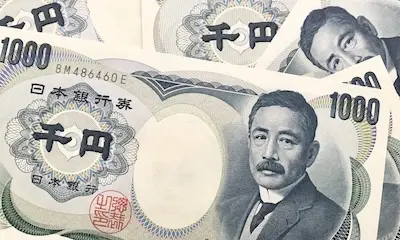
Natsume Sōseki’s face is familiar to almost everyone in Japan.
After all, it once appeared on the 1,000-yen bill.
His portrait was used from November 1, 1984, to April 2, 2007. That period lasted about twenty-three years.
People saw his face every time they opened their wallets. And his presence slowly became part of daily life.
During this long era, Sōseki was no longer just a literary figure. Instead, he became a respected national thinker.
He appeared on currency, which sits at the center of everyday life.
And his portrait reminded people of knowledge, culture, and trust. As a result, Sōseki may have served as a familiar symbol of wisdom for the entire nation.
Sōseki in Japanese Textbooks: Timeless Works
Sōseki’s novels play an essential role in Japanese education.
- High school students study Kokoro. It is no longer mandatory. However, many schools still teach it.
- Middle school students read Botchan. The story is humorous and easy to enjoy.
“Kokoro”: A Story of Isolation Between “a Mentor” and “Me”
High school students learn Kokoro.
It is not mandatory now. Yet many teachers continue to use it.
The story follows the relationship between Sensei and the narrator, a young man.
It explores deep loneliness and the shifting values of the Meiji period. It quietly resonates with readers’ hearts.
Many people, including myself, have read it multiple times as adults.
Note: Sensei – literally “teacher,” but in this novel, it is a personal title for a mentor figure.
Botchan: A Spirited Youth Story
The story is bright and fast-paced, but it is more than just humorous.
The protagonist, Botchan, has a strong sense of justice that drives the story.
At the same time, his awkwardness and inexperience add depth.
The story is easy to read, yet it makes readers think deeply.
Note: Botchan – literally “young master” or “boy,” used as the nickname of the protagonist.
Soseki’s works have been read in schools for generations.
Even today, their exploration of human emotion and social issues remains relevant.
Soseki and His Connection to Seals
Soseki had a deep connection with seals.
This was partly because of his role as a writer and partly because of his love for art.
He valued both the practical and the aesthetic aspects of seals.
The Role of Seals
In the Meiji and Taisho periods, seals were very important for writers.
- Proof of royalties: At that time, royalties were confirmed by the seals on the colophon.
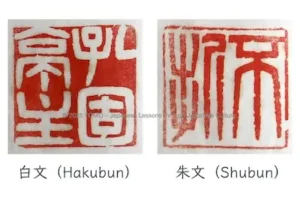
Soseki is said to have helped establish this system. - Hobby and art: Soseki especially enjoyed seal carving, called tenkoku.
He also collected seals as a form of art.nd collected seals as a form of art.
Because he loved seals, he paid great attention to those used in the colophon.
Even the small impressions reflected his sense of beauty and responsibility.
Kokoro: The Loneliness Between Sensei and the Narrator
High school students study Kokoro.
It is not always required, but many schools still teach it.
The story focuses on the relationship between Sensei and the narrator.
It shows deep loneliness, and it also reflects the shifting values of the Meiji era.
The story quietly resonates with readers. I have read it many times, even as an adult.
Botchan: A Spirited Youth Story
Middle school students read Botchan.
The story is bright and fast-paced, but it is more than just humorous.
The protagonist, Botchan, has a strong sense of justice that drives the story.
At the same time, his awkwardness makes him relatable.
It is easy to read, yet it leaves a deep impression.
Soseki’s works have been taught in schools for generations.
Even as times change, the exploration of human emotions and social issues does not fade.
Many readers still connect with his works today.
Soseki and His Connection to Seals
Soseki had a deep connection with seals.
This was because of his role as a writer and also his love for art.
He valued both the practical and aesthetic aspects of seals.
The Role of Seals
In the Meiji and Taisho periods, seals were very important for writers.
- Proof of royalties: At that time, royalties were confirmed by the seals on the colophon.
It is said that Soseki helped establish this system. - Hobby and art: Soseki especially enjoyed seal carving, called tenkoku, and collected seals as an art form.
Because he loved seals, he also cared deeply about the seals used in the colophon.
Even the small impressions reflected his sense of beauty and responsibility.
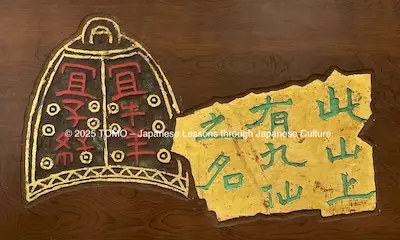
The Personal Seal Made by My Ancestor
Soseki saw seals not only as proof of royalties but also as a form of art.
Interestingly, Kōsho had the opportunity to create a seal for him.
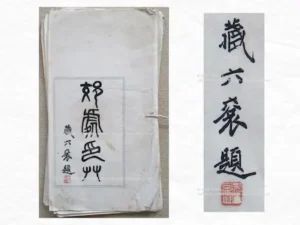
The seal was used on the cover of Kojin, published by Iwanami Bunko, and it is still in use today.
When you pick up the book in a store, the red seal is the first thing you notice.
It seems to connect the era when Soseki lived with the present day.
I have summarized Soseki’s relationship with seals in another article.
Please check that article as well. Kōsho’s Seals for Sōseki: My Ancestor’s Surprising Connection to the Author
I would like to pause the discussion on seals and tenkoku here.
Next, I will share the fun and interesting aspects of the Japanese language and culture from a slightly different angle.
◆ Would you like to talk about Japanese culture? ◆
In the Culture Course, you can learn to speak about Japanese culture with me.
日本人にとって、夏目漱石とは?
今回のテーマは「文豪と印章」です。日本文学の偉大な作家、夏目漱石を取り上げます。
漱石はただの「文豪」ではありません。彼は、日本人にとって最も身近で大切な知識人です。
彼の「顔」と作品は、生活の中に今も深く残っています。
そして、その存在は時代が変わっても薄れることがありません。
財布の中の漱石:国民の「顔」
日本人なら誰もが知っている漱石の顔。それは、かつての千円札の肖像でした。
漱石の顔が描かれた千円札は、1984年(昭和59年)11月1日から2007年(平成19年)4月2日まで使われていました。
約23年間です。
私たちは毎日、財布を開くたびに彼の顔を見ていました。
この長い期間、漱石は単なる文学者ではなく、国民全体にとって大切な知識人として定着しました。
紙幣という生活の中心に登場し続けました。そして、漱石は“身近な知の象徴”のような役割を果たしていたのかもしれません。
教科書の中の漱石:時代を超える作品
漱石の作品は、日本の教育に欠かせない作品です。
- 高校生は、名作『こころ』を学びます。現在は必修ではありませんが、多くの学校では授業で学んでいます。
- 中学生は、ユーモアあふれる『坊っちゃん』が掲載されています。
『こころ』:先生と「私」が語る孤独
高校では『こころ』を学びます。
現在は必修ではありませんが、この作品は今も多くの学校で扱われています。
物語は「先生」と「私」の関係を中心に進みます。その背景には深い孤独があります。
また、明治という時代の価値観の揺らぎも描かれています。読む人の心に静かに響きます。
私は大人になってからも、何回も読んでいます。
『坊っちゃん』:痛快な青春物語
中学校では『坊っちゃん』が取り上げられます。
この作品は、明るく、軽快です。しかし、ただのユーモア小説ではありません。
なぜなら、主人公の正義感が物語を大きく動かすからです。その行動の裏には、彼が抱える不器用さもあります。
読みやすいのに、どこか深い作品になっています。
漱石の作品は、こうして教育の場で読み継がれてきました。
そして、時代が変わっても、人の心の悩みや社会への問いかけが色あせません。今も多くの読者が彼の作品に触れ続けています。
夏目漱石と「印章」の関係
漱石は印章にも深い関わりを持っていました。
その理由には、作家としての立場と、芸術を愛する心の両方がありました。その理由には、作家としての立場と、芸術を愛する心の両方がありました。漱石は印章にも深い関わりを持っていました。
漱石は印章にも深い関わりを持っていました。
印章の役割
明治・大正時代、作家にとって印章はとても重要でした。
- 印税の証明:当時、印税の証明として、本の奥付に押されました。このシステムを作ったのが漱石だと言われています。
- 趣味と芸術:漱石は特に篆刻(てんこく:印を彫る芸術)を好み、収集していました。
漱石は印章好きだったこともあり、奥付に使う印章にもこだわりがあったようです。
小さな印影にも、美意識と責任を込めていたのだと思われます。
先祖郊処が作った「個人の証」
このように、印章が印税の証明であり、芸術として捉えていた夏目漱石。
その国民的文豪の「個人の証」である印章に、実は私の先祖が関わる機会がありました。
私のご先祖が漱石先生の印章を作成させていただいたという縁があります。
今現在でも、岩波文庫から刊行されている『行人(こうじん)』の表紙にその印象が使われています。
書店で手に取ると、まず目に入る赤い印影。
そこには、漱石が生きた時代と、現代をつないでいるようです。
漱石と印章の関係については、別の記事でまとめています。
ぜひご覧ください。Kōsho’s Seals for Sōseki: My Ancestor’s Surprising Connection to the Author
「印章や篆刻」の話は、一度ここで区切りにしたいと思います。
次回は、また少し違う角度から“日本語や日本文化の面白さ”についてお伝えします。