

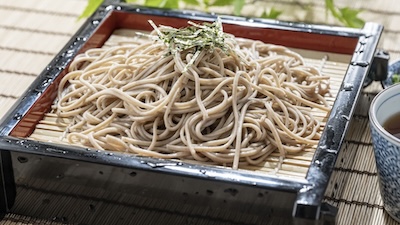

What Is Shinshu Soba?
Japan has many regional specialties called “ご当地 (gotouchi, local specialties)).”
Among them, 信州そば (Shinshu soba) is loved by many people.
“信州 (Shinshu)” is an old name that refers to what is now Nagano Prefecture.
Shinshu is surrounded by mountains and rich in nature.
The area experiences large temperature changes throughout the year.
Summer and winter have large temperature differences.
Day and night also have significant temperature differences.
These harsh conditions help create flavorful Shinshu soba.
In this article, I will explore the meaning of “Shinshu.”
You will also learn about the unique features of Shinshu soba.
Why Is Nagano Prefecture Called “Shinshu”?
“信州 (Shinshu)” is a name for what is now Nagano Prefecture.
Long ago, Nagano Prefecture was called “信濃国 (Shinano-no-kuni).”
“Shinshu” is another name for this region.
This name follows an old Chinese system.
“信州 (Shinshu)” comes from adding “州 (shu)” to “信 (shin)” from “信濃 (Shinano).”
The Word “Shinshu” Still Lives Today
For example, there are Shinshu soba, Shinshu miso, and Shinshu University.
These old names still represent the region today.
Nagano Prefecture became known around the world through the 1998 Nagano Winter Olympics.
Because of this, many people know the name “Nagano.”
However, the word “Shinshu” has a special feeling of connection.
People who live in Nagano Prefecture sometimes call themselves “信州人 (Shinshujin).”
Shinshu soba has also been passed down.
It continues with the history and culture of this region.
Why Is Shinshu Soba Loved by Many People?
Shinshu soba is known for its rich aroma.
It also has a smooth texture and a pleasant nodogoshi.
Because of these qualities, many people across Japan enjoy it.
There are also several other unique features.
Rich Aroma
Shinshu soba has a wonderful aroma.
When you eat it, the flavor of soba spreads in your mouth.
Smooth Nodogoshi
The noodles are thin and have a firm texture.
Smooth nodogoshi is one of its attractions.
Enjoying Sobayu
The hot water left after boiling soba is called “そば湯 (sobayu).”
You can mix it with the remaining dipping sauce and drink it.
This is one of the traditional ways to enjoy Shinshu soba.
There is also a condition for calling it “信州そば (Shinshu soba).”
It must use about 40% or more soba flour produced in Nagano Prefecture.
The Unique Charms of Shinshu Soba in Different Regions
Shinshu has many types of soba with unique features depending on the region.
戸隠そば (Togakushi soba)
This soba is famous in the Togakushi area of Nagano City.
It uses a unique serving style called “ぼっち盛り (bocchi-mori).”
The soba is divided into small portions and beautifully arranged.
Togakushi has fresh water and clean air.
The soba grown there is known for its rich aroma and firm texture.
御嶽そば (Ontake soba)
This soba is popular around Mount Ontake in the Kiso area.
It is grown in high-altitude areas.
Therefore, it has a rich flavor and a strong taste.
The local soba-making culture is deeply rooted in this region.
Because of this, you can enjoy its simple and nostalgic flavor.
更科そば (Sarashina soba)
This is an elegant white soba made using only the center part of the buckwheat seed.
It has a smooth nodogoshi and a beautiful appearance.
Because of these qualities, it is popular.
The aroma of soba is slightly mild.
However, its delicate flavor is one of its charms.
Japanese Food Culture and Words Learned from Shinshu Soba
Here are five Japanese words that are useful when enjoying Shinshu soba.
- ご当地 (gotouchi)
This word refers to local specialties and culture.
It is used in expressions like “ご当地グルメ (gotouchi gurume).” - のど越し (nodogoshi)
This describes the pleasant feeling when food or drinks pass through your throat.
It is often used for noodles and cold drinks. - 麺のコシ (men no koshi)
This describes the firmness and elasticity of noodles.
It is the feeling of resistance when you bite into them. - つなぎ (tsunagi)
This is an ingredient added to help hold flour together.
In soba, wheat flour is often used.
Conclusion
Shinshu soba was born in the rich natural environment of Nagano.
Soba has many unique charms.
For example, it has a rich aroma and a smooth nodogoshi.
It also has beauty in its appearance and depth in its texture.
Experiencing these qualities can make your dining experience more enjoyable.
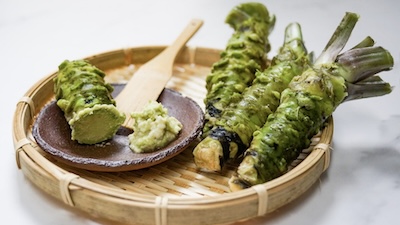
Learn more about fresh wasabi, a perfect match for Shinshu soba.
→ Fresh Wasabi (生わさび) in Japan – Flavor, Tradition, and Culture
Discover more about Japanese culture in the Japan & Culture category.
Related Posts
信州そばとは?
日本には地域ごとにさまざまな「ご当地の味」があります。
中でも特に多くの人に愛されているのが「信州そば」です。
「信州」とは、現在の長野県のことを指す古い呼び名です。
山に囲まれた自然豊かなこの土地です。
また、夏と冬、昼と夜の寒暖差も大きいです。
こうした厳しい環境が、風味豊かな蕎麦を育てます。
今回は、「信州」という言葉や、信州そばの特徴などをご紹介します。
なぜ長野県を「信州」と呼ぶのか?
「信州」とは、現在の長野県の呼び名です。
昔、この長野県は「信濃国(しなののくに)」と呼ばれていました。
「信州」は、その別名です。
これは中国の制度にならったものです。
「信濃」の「信」に「州」を合わせて、「信州」と呼ぶようになりました。
今も残る「信州」という言葉
例えば、信州そば、信州味噌、信州大学があります。
昔の名前が、今も地域を表す大切な言葉として残っています。
長野県は、1998年の長野オリンピックで世界に知られるようになりました。
そのため、「長野」という地名を知っている人もいます。
一方で、「信州」という言葉には特別な親しみがあります。
長野県に住む人は、自分たちを「信州人」と呼ぶこともあります。
そして、信州そばも、この土地の歴史や文化とともに受け継がれています。
信州そばが愛される理由とは?
信州の蕎麦は、香り高いのが特徴です。
さらに、つるっとした「のど越し」も楽しめます。
そのため、全国に多くのファンがいます。
他にもいくつか特徴があります。
香りが豊か
信州のそばは香りがとても良いです。
食べた瞬間に蕎麦の風味が口いっぱいに広がります。
のど越しが良い
麺は細めでコシのあります。
つるっとしたのど越しが魅力です。
そば湯も楽しめる
蕎麦をゆでたあとのお湯は「そば湯」と呼ばれます。
これを残ったつゆに入れて飲むのも、信州ならではの楽しみ方です。
また、「信州そば」と呼ぶためには条件があります。
長野県で作られたそば粉を、約40%以上使っている必要があります。
このように品質がしっかりと保たれている点も、多くの人に支持されている理由です。
地域によって違う、信州そばの魅力
信州には、地域によってさまざまな特徴をもった蕎麦があります。
戸隠(とがくし)そば
長野市の戸隠地区で有名な蕎麦です。
ここでは「ぼっち盛り」という独特のスタイルが使われます。
蕎麦を小分けにして美しく盛りつけるのが特徴です。
戸隠には、冷たい水と清らかな空気があります。
そこで育った蕎麦は香り高く、コシの強さでも知られています。
御嶽(おんたけ)そば
木曽地方の御嶽山周辺で親しまれている蕎麦です。
標高の高い場所で栽培されるため、風味豊かで力強い味わいが特徴です。
この地域にはそば打ち文化が深く根づいています。
そのため、素朴でどこか懐かしい味が楽しめます。
更科(さらしな)そば
蕎麦の実の中心だけを使った、白くて上品な蕎麦です。
のど越しが良く、見た目も美しいため、人気があります。
蕎麦の香りはやや控えめですが、繊細な味が魅力です。
十割そば、二八そば……そばの違いを知る
そばは、使われているそば粉と小麦粉の割合によっても種類が分かれます。
十割(じゅうわり)そば
そば粉100%で作られた蕎麦です。
そば本来の香りと味をしっかり楽しめます。
しかし、つなぎを使わないため、切れやすいです。
そのため、打つのが難しいと言われています。
二八(にはち)そば
そば粉80%、小麦粉20%で作られた蕎麦です。
香りと食感のバランスがとても良いです。
そのため、一般的に多くのお店で提供されています。
外一(といち)そば
そば粉10に対して小麦粉1を加える蕎麦です。
つまり、そば粉が約91%の贅沢な蕎麦です。
十割よりも打ちやすく、香りもしっかり感じられます。
信州そばから学ぶ、日本の食文化と言葉
信州そばを楽しむときに役立つ、5つの日本語の言葉をご紹介します。
- ご当地
その地域限定の特産品や文化を指す言葉です。
「ご当地グルメ」のように使われます。 - のど越し
食べ物や飲み物が喉を通るときの心地よさのことです。
麺や冷たい飲み物の食感を表します。 - 麺のコシ
麺を噛んだときに出る強い弾力や、歯を押し返すような抵抗感のことです。 - つなぎ
粉をまとめて形にしやすくするために混ぜる材料です。
そばでは小麦粉などが使われます。
まとめ
信州そばは、自然豊かな長野の土地から生まれました。
そばには、さまざまな魅力があります。
例えば、豊かな香りや、つるっとしたのど越しです。
また、見た目や食感の奥深さもあります。
こうした要素にふれることで、食事の時間がとても豊かになります。
信州そばに合う「生わさび」についてはこちらで紹介しています。
[Fresh Wasabi (生わさび) in Japan – Flavor, Tradition, and Culture]
日本文化についてもっと知りたい方は、Japan & Culture カテゴリをご覧ください。