

Japanese Fireworks Festivals That Brighten Summer Nights
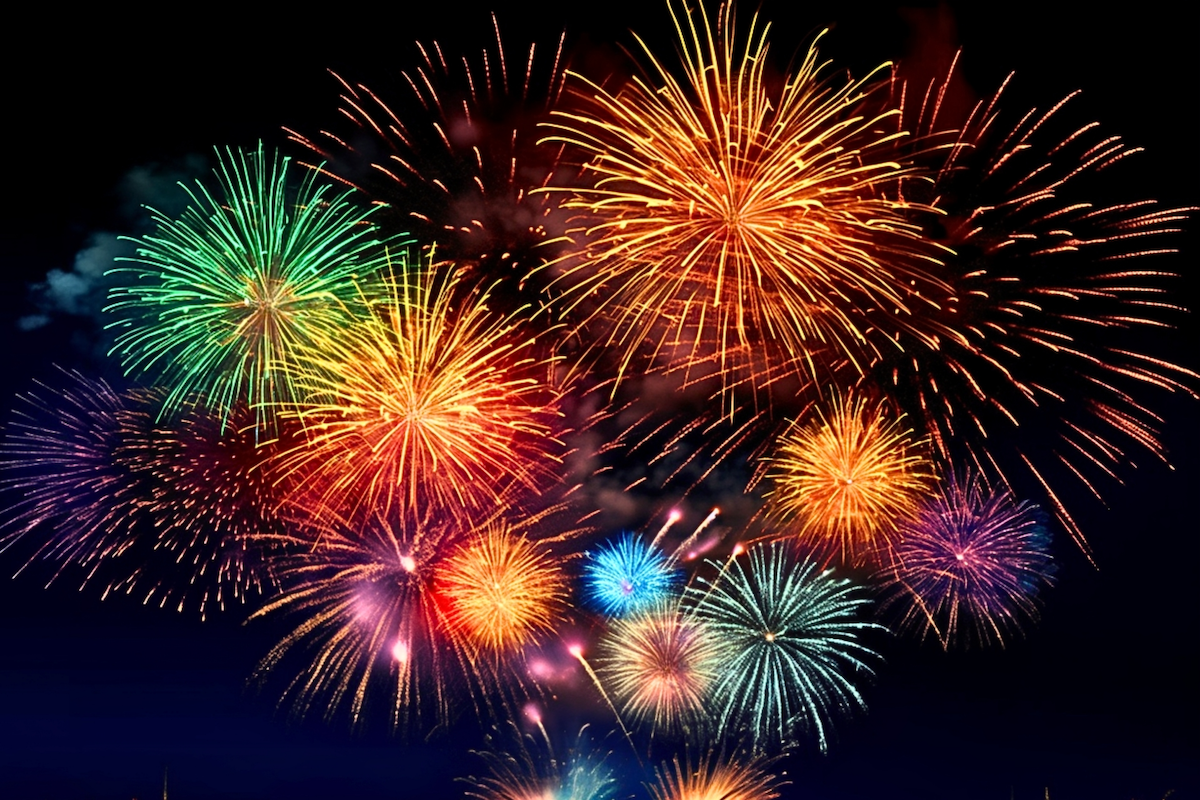
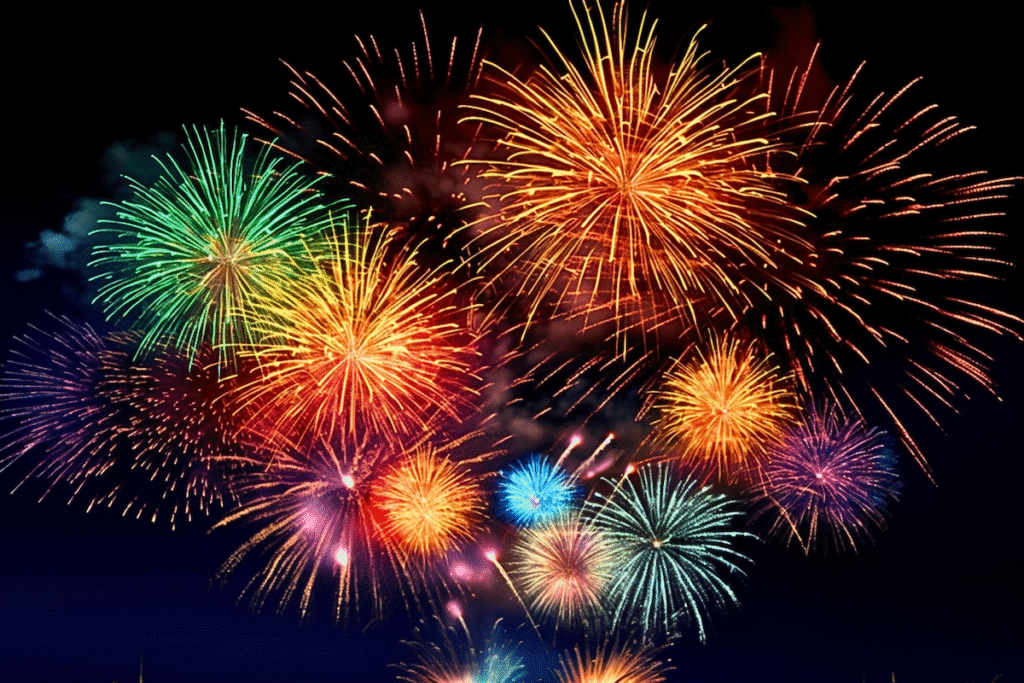
A burst of light suddenly appears in the summer night sky.
In Japan, fireworks are a symbol of summer.
Fireworks carry memories of summer and people’s wishes.
For many Japanese people, fireworks festivals are an important summer tradition.
People go with their family and friends.
Some enjoy watching fireworks with someone special.
Many people look forward to these festivals every year.
They return to the same place to enjoy the view.
Lights and Sounds That Fill the Night Sky
Colorful lights spread across the night sky.
They make summer nights feel special.
Fireworks have many attractions beyond their colors and shapes.
Loud fireworks echo through the night sky.
Such sounds create a special experience at a fireworks festival.
Some people hear fireworks from far away.
The sound reminds them that summer has arrived.
Especially in August, large fireworks festivals are held across Japan.
Enjoying Fireworks Festivals
At fireworks festivals, 屋台 (yatai, food stalls) are very popular.
People can enjoy various foods, such as yakisoba, takoyaki, and shaved ice.
In daily life, eating while walking is not very common in Japan.
However, many people walk around and enjoy food from food stalls during the event.
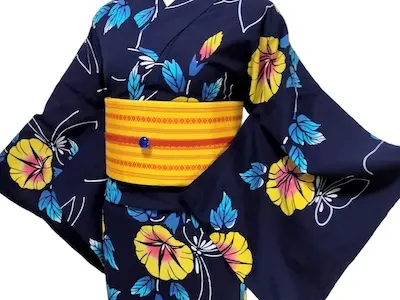
Some people also wear 浴衣 (yukata) when they go out.
Fireworks festivals offer a chance to enjoy the summer atmosphere.
Japan has many seasonal events besides fireworks festivals.
七夕 (Tanabata) is one of them.
[Wish Upon a Star: Tanabata and Japanese Tradition]
The Meaning Behind Japanese Fireworks
Japanese fireworks have important meanings beyond their beauty.
People have long placed their wishes into fireworks.
Some wishes are for protection from illness and disasters.
Fireworks also carry the meaning of honoring those who have passed away.
These thoughts continue in fireworks festivals today.
Today, fireworks festivals are also held for local communities.
They express wishes for people’s happiness.
In addition, Many tourists visit these festivals.
They also play an important role as a part of local tourism.
The Purpose and Meaning of Fireworks
In Japan, fireworks are more than just beautiful displays.
These events also carry deep cultural and spiritual meanings.
Traditionally, fireworks express gratitude for nature’s power.
They honor ancestors and ward off disasters.
Summer fireworks also serve as prayers to endure the heat.
These displays symbolize wishes for health and safety.
Fireworks festivals attract many tourists.
They play an important role as a cultural and tourism asset in Japan.
The History of Japanese Fireworks and Firework Artisans
Japanese fireworks have a long history.
Technology has continued to improve over time.
The Beginning of Fireworks Culture
Japanese fireworks are said to have started during the Warring States period.
This was from 1467 to 1615.
Gunpowder technology came from Europe during this time.
This marked the beginning of Japanese fireworks culture.
During the Edo period (1603–1868), fireworks became popular among ordinary people.
浮世絵 (Ukiyo-e) also shows people enjoying fireworks.
Edo, now Tokyo, became known for Sumida River fireworks.
Learn more about Edo period culture through ukiyo-e.
[Why Did Ukiyo-e Fascinate the World’s Greatest Artists?]
The Development of Fireworks Technology
During the Meiji period (1868–1912), fireworks technology developed further.
Many different types of fireworks began to be created.
Today, the skills of fireworks artisans have continued to improve.
In the past, blue, pink, and purple fireworks were rare.
We can enjoy these colors in fireworks displays.
The Skills of Fireworks Artisans
Fireworks are not complete until they are launched.
Artisans cannot see the final shape before the fireworks light up the sky.
They design fireworks by carefully choosing colors and shapes.
After the launch, they check the results.
Large fireworks festivals are held across Japan every year.
The skills and culture developed through a long history continue today.
Japanese fireworks carry these traditions forward.
Fireworks in Seattle
I saw fireworks at Gas Works Park in Seattle on July 4th, Independence Day.
The fireworks were created by fireworks artisans from Kobe.
Kobe is a sister city of Seattle.
This fireworks event also represents the connection between the two cities.
Today, people from Kobe still join the Independence Day event.
Different Styles of Fireworks
Seeing Japanese fireworks in America was a very special experience.
It felt a little surprising.
At Japanese fireworks festivals, people enjoy each firework slowly.
The time between fireworks is also important.
In contrast, Seattle fireworks were launched one after another.
The powerful display left a strong impression on me.
By the way, there was a gift shop called “Fireworks” in Seattle.
Seeing fireworks reminds me of that shop.
Conclusion
Japanese fireworks are a symbol of summer.
They carry people’s wishes and memories.
Over a long history, fireworks technology has continued to develop.
The skills of artisans continue to inspire people today.
Discover more about Japanese culture in the Japan & Culture category.
Related Posts

日本の夏を彩る花火大会
夏の夜空に突然広がる大きな光。
日本では、花火は夏を代表する風物詩です。
花火には、夏の思い出や人々の願いが込められています。
多くの日本人にとって、花火大会は夏の大切な行事です。
家族や友人と一緒に出かけたり、恋人と夜空を見上げます。
毎年、同じ場所で開催される花火大会を心待ちにしている人もいます。
夜空を彩る光と音
夜空に広がる色とりどりの光は、夏の夜を特別な時間にします。
花火の魅力は、色や形だけではありません。
大きな音が夜空に響く瞬間も、花火大会ならではの魅力です。
遠くから聞こえる花火の音で、夏の訪れを感じる人もいます。
特に8月は、全国で大きな花火大会が開催されます。
花火大会の楽しみ
花火大会では、屋台で食べ物を買うことも人気です。
焼きそばやたこ焼き、かき氷など、さまざまな食べ物があります。
普段は食べ歩きが少ない日本です。
しかし、花火大会では屋台の食べ物を味わいながら歩く人も多いです。
また、浴衣を着て出かける人もいます。
花火を見るだけでなく、夏の雰囲気を感じられることも花火大会の魅力です。
日本の夏には、花火のほかにも季節を感じる行事があります。
七夕もその一つです。
[Wish Upon a Star: Tanabata and Japanese Tradition]
花火に込められた意味
日本の花火には、美しさを楽しむ以外にも大切な意味があります。
花火には、昔から人々の願いが込められています。
その中には、疫病や災いを遠ざける願いがあります。
また、亡くなった人を供養する意味も込められています。
その思いは、現在の花火大会にも受け継がれています。
現在でも、花火大会は地域の発展や人々の幸せを願う行事として行われています。
また、多くの観光客が集まります。
そのため、観光資源としても大きな役割を果たしています。
日本の花火の歴史と職人の技
日本の花火は、長い歴史の中で発展してきました。
時代とともに技術が進化し、現在の花火へとつながっています。
花火文化の始まり
日本の花火の歴史は、戦国時代(1467年〜1615年)に始まったと言われています。
当時、火薬の技術がヨーロッパから伝わりました。
それが、日本の花火文化の始まりです。
江戸時代(1603年〜1868年)になると、花火は庶民の楽しみとして広まりました。
浮世絵にも、花火を楽しむ人々の姿が描かれています。
特に江戸(現在の東京)では、隅田川の花火が有名になりました。
浮世絵から見る江戸時代の文化について紹介しています。
[Why Did Ukiyo-e Fascinate the World’s Greatest Artists?]
発展する花火の技術
明治時代(1868年〜1912年)になると、花火の技術はさらに発展しました。
そして、さまざまな種類の花火が作られるようになりました。
現代では、花火職人の技術もさらに高まっています。
昔はなかった青やピンク、紫色などの花火も見ることができます。
花火職人の技
花火は、打ち上げるまで完成した形を見ることができません。
職人は、色や形を考えながら花火を作ります。
そして、夜空に広がった姿を見て確認します。
毎年、全国各地で大きな花火大会が開催されています。
長い歴史の中で育まれた技術と文化は、現在の日本の花火にも受け継がれています。
海外で見た日本の花火
昔、7月4日のアメリカ独立記念日に、シアトルのガスワークスパークで花火を見ました。
その花火は、神戸市の花火職人が作ったものです。
神戸市は、シアトルの姉妹都市です。
この花火は、両市の交流の象徴でもあります。
現在も独立記念日のイベントには、神戸の関係者が参加しているそうです。
アメリカにいながら、日本の花火を見ることができました。
それは、とても不思議な経験でした。
日本の花火大会では、一つ一つの花火をゆっくり楽しみます。
花火と花火の間の時間も大切にします。
一方、シアトルの花火は、次々と打ち上げられました。
その迫力がとても印象に残っています。
そういえば、シアトルに「Fireworks」という名前の雑貨屋さんがありました。
花火を見ると、そのお店のことも思い出します。
まとめ
日本の花火は、夏を彩る風物詩です。
美しい光を楽しむだけではなく、人々の願いや思いも込められています。
長い歴史の中で、花火の技術は発展してきました。
そして、職人の技によって、現在も多くの人を魅了しています。
日本文化についてもっと知りたい方は、Japan & Culture カテゴリをご覧ください。