

History of the Yukata
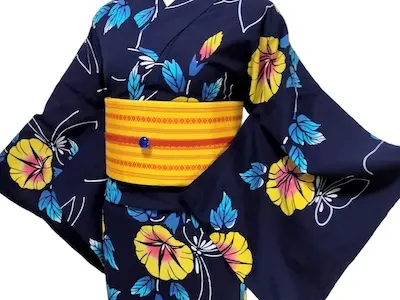
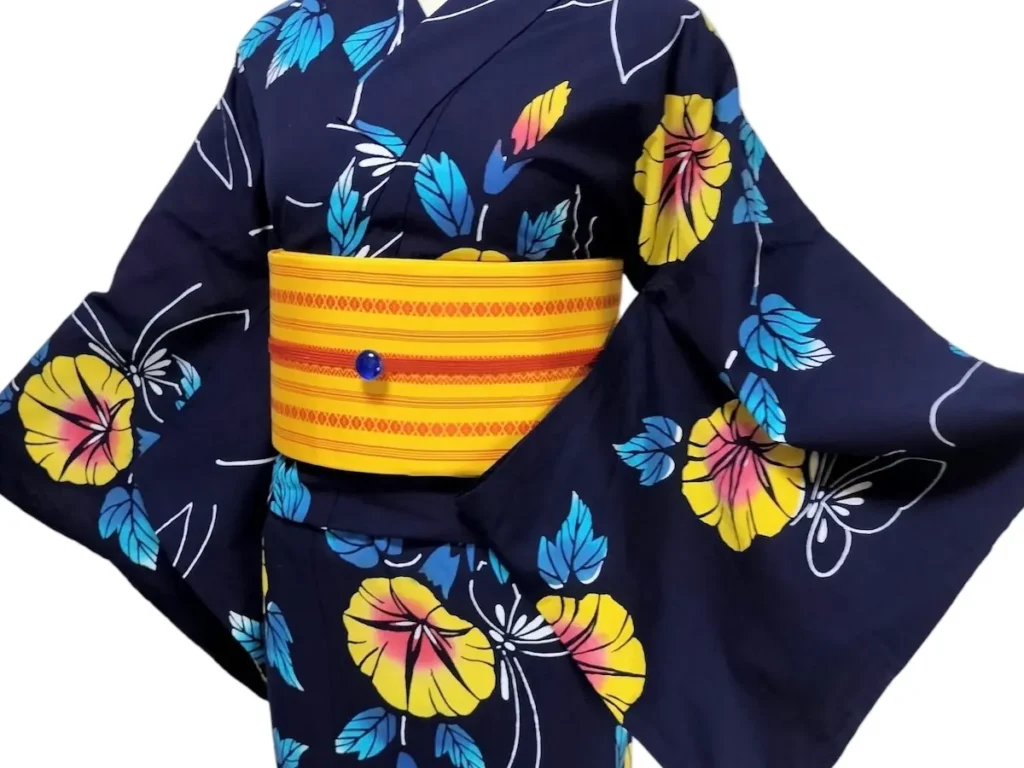
The yukata (浴衣) is a traditional Japanese garment.
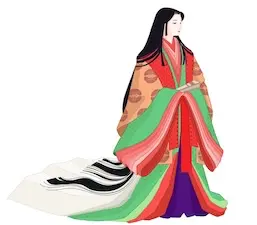
Its history dates back to the Heian period.
Originally, nobles wore a light robe called yukatabira (湯帷子) after bathing.
At that time, they were made of hemp.
This fabric was perfect for absorbing sweat and moisture.
During the Edo period, yukata became popular among the general public.
People began using them to sleep in.
Many people born from the Taisho to early Showa eras loved wearing yukata as pajamas.
Some even kept this habit throughout their entire lives.
Even today, ryokan (旅館, traditional inns) and hot spring resorts provide yukata as sleepwear.
Over time, cotton became the standard fabric.
This made the yukata light, breathable, and a favorite for the hot Japanese summer.
Why Are Many Yukata Blue?
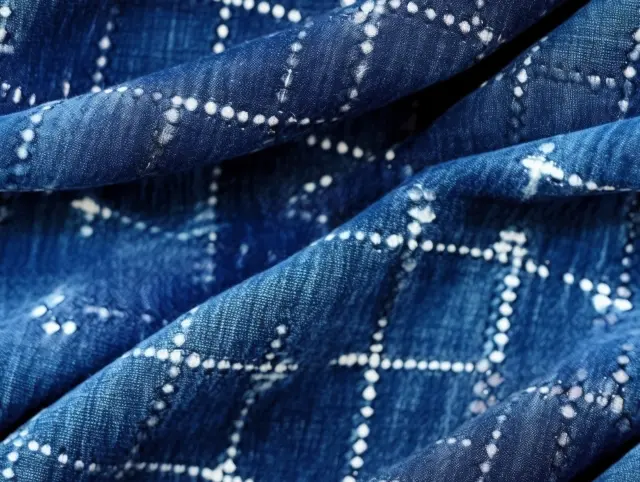
Indigo, or ai-iro (藍色), has long been the most popular color for yukata.
Indigo and Edo Period Culture
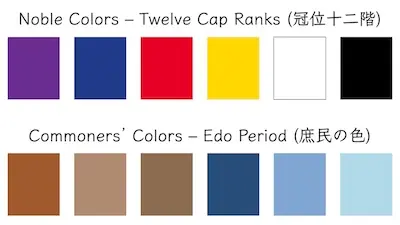
During the Edo period, the shogunate issued the “Zeitaku Kinshirei” (贅沢禁止令).
These were sumptuary laws that restricted luxury.
In particular, they limited the colors of clothing common people could wear.
Since indigo was one of the few permitted colors, it became widely used.
People grew creative and developed many different shades of indigo to express their style.
Why Did Indigo Become So Popular?
There are reasons why indigo was chosen.
First, indigo has insect-repelling and deodorizing effects.
Therefore, it was perfect for yukata worn in summer.
Furthermore, indigo is a color where sweat and dirt do not stand out.
People also liked that the color settles and the flavor increases the more you wash it.
In addition, indigo has the effect of making you feel coolness and calm.
This matched the Japanese sense of beauty well.
In the merchant culture of Edo, indigo became popular as an Iki (粋) color because it was not too flashy.
In this way, indigo has long been loved as the representative color of yukata.
The Purpose and Meaning of Wearing a Yukata
A yukata is made to stay cool during the Japanese summer.
It also shows respect and a neat appearance.
At fireworks festivals and summer events, yukata create a “summer-like” feeling.
Many people in Japan have an image that “Yukata = Summer.”
The Concept of Suzushige (涼しげ)
Suzushige (涼しげ) is a Japanese word.
It means feeling cool just by looking at something.
A yukata embodies this sense.
Its colors and patterns look cool to both the wearer and others.
You can also express your personality through various designs.
Modern Yukata Trends
Recently, the way people wear yukata and their purposes have changed.
First, designs have become very diverse.
In addition to traditional navy and white, there are more colorful and modern patterns.
Also, rental yukata are popular in tourist spots and urban areas.
Therefore, you can now experience wearing a yukata stress-free.
Even international tourists are easily enjoying yukata.
Conclusion
The yukata remains the representative garment of the Japanese summer.
Many people wear yukata at fireworks, summer festivals, and Bon dances.
The presence of people in yukata makes the summer scenery feel even more special.
Also, yukata look great in photos and add a special touch to summer memories.
If you want to learn more about the differences, please check this kimono vs yukata article.
Discover more about Japanese culture in the Japan & Culture category.
Related Posts

浴衣の歴史
浴衣(ゆかた)は、日本の伝統衣装の一つです。
もともとは平安時代の貴族が入浴後に着た「湯帷子(ゆかたびら)」が「浴衣」の始まりです。
その頃は麻で作られ、汗や水分を吸い取りやすいものでした。
やがて、江戸時代になると庶民の間にも広まりました。
庶民の間では、江戸時代から寝巻きとしても使われていました。
大正から昭和前期生まれの人の中には、晩年になっても浴衣で寝る人もいました。
今も旅館や温泉地では、寝巻きとしても使われています。
さらに、木綿の生地が使われるようになり、軽くて涼しい衣服として人気になりました。
なぜ浴衣には藍色が多いのか?
浴衣には、藍色が多く使われてきました。
藍色と江戸時代の文化
江戸時代には幕府は「贅沢禁止令」を出しました。
それによって、庶民は着物の色を制限されました。
その中でも藍色は自由に使える色だったため、さまざまな藍色が用いられました。
なぜ、藍色が人気になった?
藍色が選ばれたのには理由があります。
まず、藍には防虫効果や消臭効果があります。
そのため、夏に着る浴衣にはぴったりでした。
さらに、藍色は汗や汚れが目立ちにくい色です。
洗うほど色が落ち着き、味わいが増すことも好まれました。
また、藍色には涼しさや落ち着きを感じさせる効果があります。
これは日本の美意識にもよく合いました。
江戸の町人文化では、派手すぎない藍色が粋(いき)な色として人気を集めました。
こうして藍色は、浴衣の代表的な色として長く愛され続けています。
浴衣を着る目的と意味
浴衣は、暑い日本の夏を少しでも涼しく過ごすために作られました。
しかし、それだけではありません。
相手への礼儀やきちんとした装いを表す意味もあります。
また、花火大会や夏祭りでは、浴衣姿が「日本の夏らしさ」を感じさせます。
日本語でも「浴衣=夏」というイメージを持つ人が多いです。
「涼しげ(すずしげ)」という日本語があります。
浴衣には、見た目から涼しさを感じる日本らしい感覚です。
さらに、色や柄で個性を表現できる楽しさもあります。
現代の浴衣事情
最近では、浴衣の着方や用途も変わってきました。
まず、デザインがとても多様になっています。
伝統的な紺や白だけでなく、カラフルでモダンな柄も増えています。
また、観光地や都市部ではレンタル浴衣が人気です。
そのため、手ぶらで浴衣体験ができるようになりました。
外国人観光客も気軽に浴衣を楽しむようになっています。
まとめ
浴衣は、今も日本の夏を代表する衣服です。
花火大会や夏祭り、盆踊りでは、多くの人が浴衣を着ます。
浴衣姿の人が加わることで、夏の風景もより特別に感じられます。
また、浴衣は写真にも映え、夏の思い出作りにも彩りを添えてくれます。
浴衣と着物の違いについて詳しく知りたい方: kimono vs yukata をご覧ください。
日本文化についてもっと知りたい方は、Japan & Culture カテゴリをご覧ください。