

What is Obon? Its Origins and Meaning
Why do families in Japan gather every year for お盆 (Obon)?
Obon is a traditional Japanese custom.
It welcomes and honors the spirits of ancestors.
In many regions, it takes place for four days from August 13 to 16.
In some areas, it is held in July.
Urabon-e and Obon
Obon is officially called 盂蘭盆会 (Urabon-e).
Urabon-e is a Buddhist ritual to remember and honor ancestors.
Today, it is commonly known as Obon.
Regional Differences in Obon Customs
How people spend Obon varies by region and family.
In some areas, people burn 迎え火 (mukaebi, welcoming fire) on August 13.
This is done to welcome the spirits of ancestors.
During this time, the ancestral spirits are said to stay at home.
Then, on August 16, people burn 送り火 (okuribi, send-off fire).
This is done to send the spirits back.
Also, some regions hold 精霊流し (shoro nagashi) on the final day of Obon.
People float Obon offerings down rivers or into the sea.
This sends off the ancestral spirits.
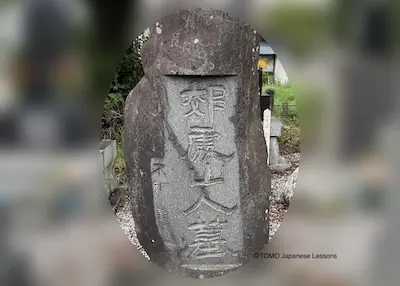
Many families visit graves for お墓参り (ohakamairi, grave visit) during Obon.
This is a time to thank ancestors and report on daily well-being.
In my family, we visit graves every year on August 16.
Food and Offerings for Obon
Obon dishes vary by region and family.
Many families offer 精進料理 (shojin ryori, Buddhist vegetarian cuisine).
Others offer meals made with seasonal ingredients, among other things.
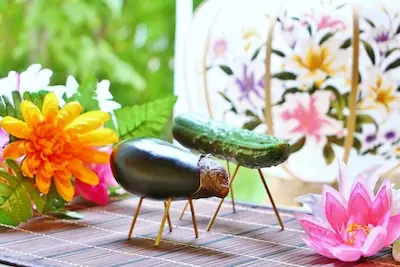
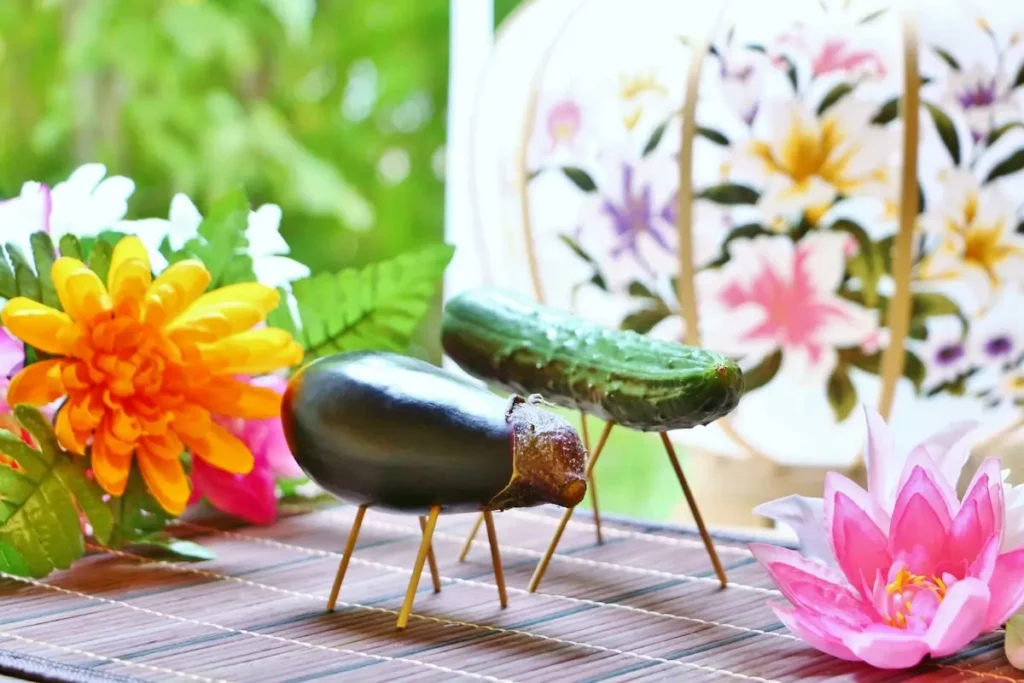
精霊馬 (shoryouma, spirit horses) are made from cucumbers and eggplants.
They are also unique offerings for Obon.
The cucumber represents a horse that brings ancestors home quickly.
The eggplant represents a cow that helps them return slowly.
Both are displayed as vehicles for ancestors to travel back and forth.
Some families offer dishes like そうめん (somen noodles) and おはぎ (ohagi).
These dishes represent the spirit of welcoming ancestors.
Such a custom also shows gratitude for seasonal blessings.
Changing Obon Customs and Modern Family Meals
However, how people spend Obon has changed recently.
An increasing number of families spend time with family and relatives.
They gather around foods such as すし (sushi) and party platters.
The Changing Meaning of the Word “Obon”
Obon is an important time to welcome and honor the spirits of ancestors.
On the other hand, the modern word “Obon” is also used to refer to the period itself.
Generally, Obon lasts from August 13 to 16.
The holiday surrounding this period is called “Obon vacation.”
Many companies and schools close during this time.
During the Obon vacation, people visit their hometowns and go to family graves.
Many people also travel or spend time with their families.
Because of this, transport gets very crowded during this period.
Today, Obon has two meanings.
Obon is a traditional custom to honor ancestors.
It is also a time for summer vacation.
Festivals, Yukata, and Fireworks during Obon
Summer festivals are held all across Japan during Obon.
Bon Odori and fireworks festivals take place everywhere.
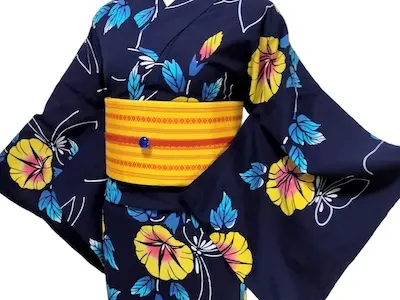
Many people wear 浴衣 (yukata) to go out.
This creates a classic Japanese summer scene.
Bon Odori is a traditional dance held during Obon.
It originally started to honor ancestors.
Today, it is an important event for community interaction.
Fireworks festivals are also a major Obon event.
Many people create wonderful summer memories with family and friends.
Learn about yukata, traditional Japanese summer attire.
[What Is Yukata? Meaning, History, and Japanese Summer Culture]
Discover the history and culture of Japanese fireworks.
[Japanese Fireworks (花火): History, Culture, and the Seattle Connection]
Conclusion
Obon is an important Japanese custom to welcome and honor ancestral spirits.
Today, the word also refers to summer vacation.
Traditional culture changes over time.
However, families still gather and cherish their ancestors today.
Discover more about Japanese culture in the Japan & Culture category.
Related Posts
お盆とは?その由来と意味
日本では、なぜ毎年お盆に家族が集まるのでしょうか。
お盆は、祖先の霊を迎え、供養する日本の伝統的な風習です。
多くの地域では、8月13日から16日までの4日間です。
一部の地域では、7月に行われることもあります。
盂蘭盆会とお盆
お盆は、正式には「盂蘭盆会(うらぼんえ)」と呼ばれます。
盂蘭盆会とは、亡くなった人や祖先を供養するための仏教行事です。
現在では、一般的に「お盆」という呼び方で親しまれています。
地域によって異なるお盆の風習
お盆の過ごし方は、地域や人によって異なります。
地域によっては、8月13日に迎え火を焚いて祖先の霊を迎えます。
その間、先祖の霊が自宅で過ごすと言われています。
そして、8月16日に送り火を焚いて祖先の霊を送り出します。
また、お盆の最終日に、精霊流しを行う地域もあります。
お盆の供え物などを川や海などに流して先祖の霊を送します。
多くの家庭では、お盆にお墓参りをします。
お墓参りは、先祖に日頃の感謝や無事を報告します。
我が家では、毎年8月16日にお墓参りへ行きます。
お盆の食べ物とお供え
お盆の料理は、地域や家庭によって違います。
精進料理や、季節の食材を使った料理を供える家庭が多くあります。
きゅうりやなすで作る精霊馬(しょうりょううま)も、お盆ならではのお供えです。
きゅうりは「迎えの馬」を表し、ナスは「送りの牛」を表しています。
両方ともご先祖様の行き来の乗り物として飾ります。
そうめんやおはぎを供える家庭もあります。
これらの料理には、祖先を迎える心や、季節の恵みへの感謝が込められています。
しかし、最近では、お盆の過ごし方も変わってきました。
すしやオードブルを囲みながら、家族や親戚と過ごす家庭も増えています。
「お盆」という言葉の意味の変化
お盆は、祖先の霊を迎え、供養する大切な時期です。
一方で、現代の「お盆」という言葉は、その期間を表す言葉としても使われています。
一般的に、お盆は8月13日から16日までです。
この前後の含む休みを「お盆休み」といい、多くの会社や学校が休みになります。
お盆休みは、実家へ帰省し、お墓参りに出かけます。
また、旅行に出かけたり、家族と過ごしたりする人も多くいます。
そのため、交通機関や高速道路は、この時期に大変混雑します。
昔から続く祖先を大切にする習慣と、現代の夏休みという過ごし方。
現在の「お盆」には、二つの意味があります。
お盆と浴衣・夏祭り・花火大会
お盆の時期には、全国で夏祭りが開かれます。
盆踊りや花火大会も各地で行われます。
浴衣を着て出かける人も多く、日本の夏らしい風景が広がります。
盆踊りは、お盆に行われる伝統的な踊りです。
もともとは祖先を供養するために始まったといわれています。
今では、地域の人々が交流する大切な行事にもなっています。
花火大会も、お盆を代表するイベントです。
家族や友人と夏の思い出を作る人がたくさんいます。
日本の夏の装いである浴衣についてご紹介しています。
[What Is Yukata? Meaning, History, and Japanese Summer Culture]
夏の風物詩の花火の歴史や文化についてはこちらご覧ください。
[Japanese Fireworks (花火): History, Culture, and the Seattle Connection]
まとめ
お盆は、祖先の霊を迎え、供養する日本の大切な習慣です。
現代では、お盆休みという言葉のように、夏の休暇を表す意味でも使われています。
昔から続く文化は時代とともに変化しています。
しかし、現在も家族が集まり、先祖を思う気持ちは今も大切にされています。
日本文化についてもっと知りたい方は、Japan & Culture カテゴリをご覧ください。