

What Is the Winter Solstice (冬至 tōji )?
Tōji (冬至) is the Japanese word for the Winter Solstice.
It is the day with the shortest daylight of the year.
This is based on the koyomi (暦, traditional Japanese calendar).
It usually falls around December 22.
During this season, the sun stays low in the sky.
The morning light arrives late, and the evening becomes dark early.
Therefore, you can clearly feel the change of seasons.
In Japan, people have long considered this day a special turning point.
The short daylight hours were linked to cold weather and anxiety.
Because of this, people began to offer prayers and wishes on this day.
What Is 暦 (koyomi)?
Koyomi (暦) is a system for counting and recording the flow of time.
In simple terms, it works like a calendar.
In the past, people used it to know the timing of fieldwork.
They also relied on it to plan annual events and festivals.
Therefore, the koyomi was an essential guide for daily life in Japan.
Japan Has Many Words for the Seasons
Japan has many words that express the seasons.
“冬至 (Tōji)” is the day with the shortest daylight of the year.
It means the “Winter Solstice”.
On the other hand, “夏至 (Geshi)” is the day with the longest daylight of the year.
It means the “Summer Solstice”.
The kanji “Shi / -ji (至)” means “to arrive at a place or time”.
Therefore, Tōji and Geshi represent major turning points in the seasons.
In Japan, people value these seasonal changes very much.
Because of this, there are many words and events related to the seasons.
When you study Japanese, please pay attention to these seasonal words.
Tōji (冬至) and Ichiyō Raifuku (一陽来復)
Tōji is the day when the power of “In (陰, yin) ” reaches its strongest point.
After this day, people believed the sun’s energy would slowly return.
This shift is expressed by the phrase “Ichiyō Raifuku (一陽来復).”
It means bad luck ends and good luck begins.
In other words, positive yang (陽, yō) energy starts to rise again after Tōji.
Even today, some Shinto shrines offer special Ichiyō Raifuku amulets.
The days when you can receive them are limited.
Also, how to enshrine them is a bit unique.
What Are Yin and Yang? (陰陽)
陰 (in, yin) and Yō 陽 (yō, yang) are commonly paired together.
This is the idea that “when there is light, there is also shadow.”
Yō represents light, and In represents shadow.
In Japan, people believe that two opposing forces must stay in balance.
Only then do they create a complete world.
This concept is a bit different from Western ideas.
It is not like duality or “light and darkness.”
Even so, they may appear similar at first glance.
The Tradition of Yuzu Bath (ゆず湯)
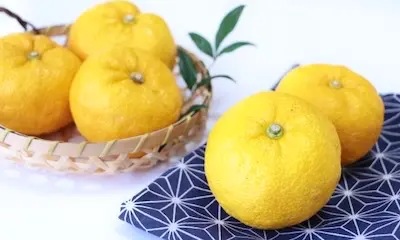
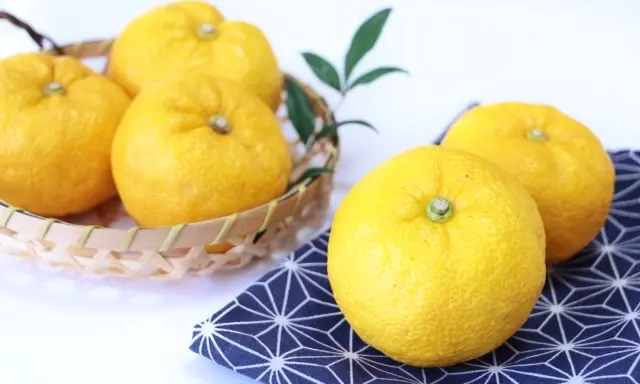
In Japan, there is a tradition of taking a yuzu-yu (ゆず湯) on Tōji.
People float ゆず (yuzu , Japanese citrus fruits) in hot water.
They warm their bodies while enjoying the fresh aroma.
The scent of yuzu calms the mind, so it is perfect for the cold season.
This custom carries the wish, “May you stay healthy through the winter.”
Warming the body improves blood circulation and helps prevent colds.
Also, people once believed that the strong scent of yuzu could ward off evil spirits.
Foods of Tōji (冬至)
Kabocha (pumpkin) is the best-known food for Tōji.
Kabocha keeps well for a long time.
People say, “If you eat kabocha on Tōji, you won’t catch a cold.”
This is because kabocha is rich in nutrients.
In some regions, people also eat Azuki-gayu (azuki bean porridge).
The red color of azuki beans is believed to ward off evil spirits.
Also, some regions eat Itokoni, a dish made with kabocha and azuki beans.
All of these foods carry the wish to make it through the winter safely.
Conclusion
Tōji is the day with the shortest daylight of the year.
After this day, the sun’s energy begins to return.
I hope this article helped you enjoy Japanese culture.
I also hope it helped you feel closer to the Japanese language.
If you want to learn more about other Japanese year-end traditions.
Learn About 大掃除 (Osouji) – Japanese Year-End Cleaning and Culture
Discover more about Japanese culture in the Japan & Culture category.
Related Posts

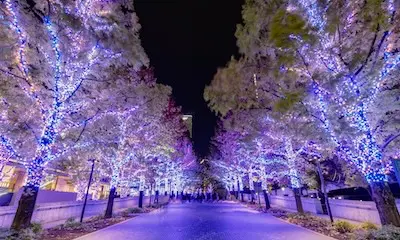
冬至とは何の日か
冬至(とうじ)は、一年のうちで昼が最も短くなる日です。
今年は暦(こよみ)の上では毎年12月22日ごろです。
太陽の位置が低くなり、朝は明るくなるのが遅く、夕方は早く暗くなります。
そして、季節の変化をはっきりと感じる時期です。
日本では、昔からこの日を特別な節目として大切にしてきました。
昼が短いことは、寒さや不安につながっていました。
そのため、昔の人は冬至に祈りや願いを込めたようです。
暦とは?
暦(こよみ)とは、時間の流れを記録する仕組みです。
簡単にいうとカレンダーです。
昔は、農作業や年中行事の日を知るために使われていました。
人々は、暦を見て田畑の作業時期を決めていました。
また、神事や祭りの準備をするときにも暦は欠かせませんでした。
日本では季節を表す言葉が多い
日本には、季節を表す言葉がたくさんあります。
例えば、「冬至」は、一年で最も昼が短い日です。
反対に、「夏至」は、一年で最も昼が長い日です。
「至(し/じ)」には、「ある場所や時間に届く」という意味があります。
つまり、「夏至」と「冬至」は、季節の大きな変わり目の日を表しています。
日本では、このような季節の変化をとても大切にしています。
そのため、季節に関する言葉や行事がたくさんあります。
日本語を勉強するときは、ぜひ季節の言葉に注目してみてください。
冬至と一陽来復
冬至は「陰(いん)」の力が最も強まる日です。
この日を過ぎると、太陽の力が戻り始めると言われています。
この変化を「一陽来復(いちようらいふく)」という言葉で表します。
これには「悪い流れが終わり、良い方向へ向かう」という意味があります。
つまり、冬至をきっかけに再び「陽(よう)」の気が戻ってくるということです。
今でも、一陽来復のお守りを配る神社があります。
このお守りをもらえる日は決まっています。
また、まつり方も少しユニークです。
陰陽とは?
陰(いん)と陽(よう)とセットで使われます。
これは、「光があれば影もある」という考え方です。
陽は光表し、陰は影を表します。
日本では「相反する二つがバランスを取り合って初めて世界は完全になる」と考えます。
これは、西洋の二元論や「光と闇」とは少し意味合いが違います。
ゆず湯の習慣
冬至には、ゆず湯に入る習慣があります。
お湯にゆずを浮かべて、体を温めます。
ゆずの香りは気分を落ち着かせるので、寒い季節にぴったりです。
この風習には、「冬を元気に過ごせますように」という願いが込められています。
体を温めて血行をよくすることは、風邪の予防になります。
また、ゆずの強い香りが邪気を払うとも信じられていました。
冬至の食べ物
冬至の食べ物といえば、かぼちゃが有名です。
かぼちゃは長く保存できます。
「冬至にかぼちゃを食べると風邪をひかない」と言われています。
かぼちゃは栄養が豊富だからです。
地域によっては、小豆粥を食べる習慣もあります。
小豆の赤い色には、邪気を払う意味があります。
また、かぼちゃと小豆を煮た「いとこ煮」という料理を食べる地域もあります。
どの料理にも、冬を無事に乗り切りたいという思いが込められています。
まとめ
冬至は、1年で最も昼が短い日です。
この日を境に、太陽の力が戻り始めます。
この記事を通して、日本の文化を楽しんでいただけたら嬉しいです。
そして、日本語にも親しんでいただけたら幸いです。
年末の行事について知りたい方はこちらもご覧ください。
Learn About 大掃除 (Osouji) – Japanese Year-End Cleaning and Culture
日本文化についてもっと知りたい方は、Japan & Culture カテゴリをご覧ください。