

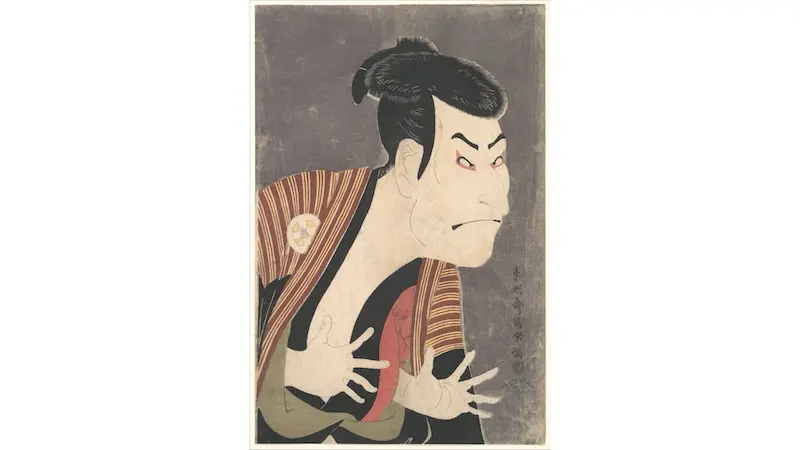
Source: The Metropolitan Museum of Art (Open Access)
Do you know about the Japanese culture boom in Europe during the late 19th century?
It is “ジャポニズム (Japonism).”
Japanese crafts and artworks captivated many people.
Among them, 浮世絵 (Ukiyo-e) had a major impact.
However, Ukiyo-e was not originally exported as art.
Actually, it crossed the ocean in an unexpected way.
What Is Japonism?
Japonism was a Japanese cultural trend in late 19th-century Europe.
The main stage was Paris, France.
Japan opened its borders in 1854.
After that, Japanese arts and crafts began to be exported.
In 1867, the Paris World’s Fair was held.
Japanese culture was widely introduced at this fair.
Delicate and natural designs inspired Western artists.
The prime example of this is Ukiyo-e.
Ukiyo-e Wrapping Paper Surprised People
There is an interesting history behind how Ukiyo-e surprised people in Europe.
Ukiyo-e Was a Popular Print for Common People
Today, Ukiyo-e is highly valued as art.
However, its status during the Edo period was different.
Ukiyo-e was mass-produced through woodblock printing.
They depicted popular Kabuki actors and Japanese plants.
Therefore, they were like modern posters and celebrity photos.
Common people easily bought and enjoyed them.
Wrapping Paper Attracted More Attention Than Ceramics
At that time, Japanese ceramics were popular in Europe.
In Japan, people used old paper as cushioning for fragile items.
Misprinted Ukiyo-e prints were also used as wrapping paper.
People in Europe noticed the beauty of this wrapping paper.
Because of this, people started collecting Ukiyo-e itself.
This event also increased interest in Japanese culture.
Beautiful Colors Not Found in the West
Ukiyo-e was praised for more than just its unique composition.
Its distinct use of color is also a major reason.
Enjoying the Colors Themselves
At that time, Western paintings used light and shadow to create depth.
On the other hand, Ukiyo-e values the beauty of the colors themselves.
Detailed shading is not used.
It depicts people and landscapes with clear colors and outlines.
Bright red catches people’s eyes.
Deep blue shows the vastness of the sky and sea.
Calm green and brown harmonize the entire picture.
Each color enhances the others. This created a uniquely Japanese beauty.
Japanese colors have meanings that represent seasons and nature.
This sense of color was very fresh to European artists.
“Bero-ai” That Expanded Ukiyo-e Expression
-
ベロ藍
(Bero-ai, Prussian blue)
In the 19th century, a new blue called “ベロ藍 (Bero-ai)” was used in Ukiyo-e.
This color, also known as Prussian blue, came from Germany.
Japan imported the new paint.
It is deeper and brighter than traditional indigo.
The blue made skies and seas look more impressive.
The color evolution also greatly influenced European artists.
Traditional Blue and the New Artificial Pigment
Previously, blue colors in Japan were mostly plant-based.
Some blue colors were made from minerals.
On the other hand, Bero-ai is an artificial pigment from the West.
Therefore, it expressed a deep and bright blue like never before.
The Blue Color Connected Japan and Europe
Ukiyo-e artists actively adopted this new color.
Skies and seas were drawn with more power and impact.
Such color changes further enhanced the appeal of Ukiyo-e.
These beautiful color expressions eventually crossed the ocean.
Many European artists gained new inspiration from them.
Western blue traveled to Japan.
Then, Ukiyo-e prints using that blue traveled back to Europe.
A single color connected Japan and Europe in this way.
It became a bridge between the two cultures.
Conclusion
Japonism was a major event where Japanese culture spread to Europe.
Ukiyo-e brought new ideas to many artists.
A single print crossed the ocean as wrapping paper.
It became a force that moved European art.
A new blue called “Bero-ai” further enhanced its appeal.
This color made the works of Hokusai and Hiroshige more impressive.
Eventually, this expression influenced painters like Van Gogh and Monet.
Next time, I will introduce “Bero-ai” and the colors of Ukiyo-e.
Discover the history and hidden meaning behind the Maneki Neko.
[What is the Secret of the Maneki Neko?]
Discover more about Japanese culture in the Japan & Culture category.
Related Posts
 Wish Upon a Star: Tanabata and Japanese Tradition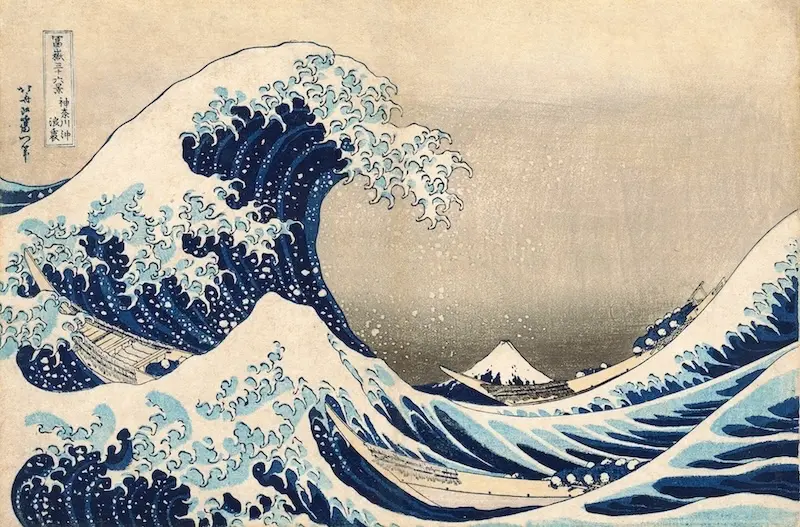
19世紀後半、ヨーロッパで起きた日本文化のブームを知っていますか?
それは「ジャポニズム」です。
日本の工芸品や美術品は、多くの人々を魅了しました。
その中で、特に大きな影響を与えたのが浮世絵です。
しかし、浮世絵は最初から芸術作品として輸出されたわけではありません。
実は、意外な形で海を渡りました。
ジャポニズムとは?
ジャポニズムは、19世紀後半にヨーロッパで起きた日本文化の流行です。
主な舞台はフランスのパリでした。
日本は1854年に開国しました。
それ以降、日本の美術工芸品が輸出されるようになります。
1867年にはパリ万国博覧会が開催されました。
この博覧会で、日本文化が広く紹介されます。
繊細な細工や自然を取り入れたデザインは、西洋の芸術家に刺激を与えました。
その代表格が浮世絵です。
包み紙だった浮世絵が人々を驚かせた
浮世絵がヨーロッパの人々を驚かせた背景には、面白い歴史があります。
浮世絵は庶民に親しまれた版画だった
現在、浮世絵は芸術作品として高く評価されています。
しかし、江戸時代の位置づけは違いました。
浮世絵は木版印刷で大量生産されていました。
描かれたのは、人気の歌舞伎役者や日本の植物です。
そのため、現代のポスターやブロマイドのような存在でした。
庶民はこれらを手軽に買って楽しんでいました。
陶器よりも包み紙が注目された
当時、ヨーロッパでは日本の陶磁器が人気を集めていました。
割れ物を運ぶ際、日本では使い終わった紙を緩衝材にしました。
刷り損じの浮世絵なども包み紙として使われました。
ヨーロッパの人々は、この包み紙の美しさに注目します。
このことがきっかけで、浮世絵そのものを収集する人が現れました。
この出来事も、日本文化への関心を高める要因になりました。
西洋にはなかった色の美しさ
浮世絵が評価された理由は、独自の構図だけではありません。
特徴的な色使いも、大きな理由の一つです。
色そのものを楽しむ表現
当時の西洋絵画は、光と影で立体感を出していました。
一方、浮世絵は色そのものの美しさを大切にします。
細かな陰影は使いません。
はっきりとした色と輪郭線で、人物や風景を描きます。
鮮やかな赤は、人々の目を引きます。
深い青は、空や海の広がりを感じさせます。
落ち着いた緑や茶色は、全体を調和させます。
それぞれの色が、お互いを引き立て合います。
これが日本らしい美しさを生み出しました。
日本の色には、季節や自然を表す意味があります。
こうした色彩の感覚は、ヨーロッパの芸術家たちにとても新鮮でした。
浮世絵の表現を広げた「ベロ藍」
19世紀、浮世絵に「ベロ藍」という新しい青色が使われ始めます。
これは、ドイツで生まれたプルシアンブルーという絵の具です。
この新しい絵の具が、日本へ輸入されました。
従来の藍色よりも、深く鮮やかに発色します。
この青により、空や海がより印象的に描かれるようになりました。
この色彩表現の進化も、ヨーロッパの芸術家に大きな影響を与えました。
従来の青と新しい人工顔料
それまで日本で使われていた青色は、植物の絵の具が中心でした。
鉱物を使った青色もありました。
一方、ベロ藍は西洋で生まれた人工顔料です。
そのため、それまでにはない深く鮮やかな青色を表現できました。
青色が結んだ日本とヨーロッパ
浮世絵師たちは、この新しい色を積極的に取り入れます。
空や海は、より力強く、印象的に描かれるようになりました。
この色彩の変化は、浮世絵の魅力をさらに高めます。
その美しい色彩表現は、やがて海を渡ります。
多くのヨーロッパの芸術家は、そこから新しい発想を得ました。
西洋で生まれた青色は、日本へ伝わりました。
そして、その青で描かれた浮世絵が再びヨーロッパへ渡りました。
こうして、一つの青色が日本とヨーロッパを結びました。
それは、二つの文化をつなぐ架け橋になりました。
まとめ
ジャポニズムは、日本文化がヨーロッパへ広がった大きな出来事でした。
中でも、浮世絵は多くの芸術家に新しい発想をもたらします。
包み紙として海を渡った一枚の版画は、ヨーロッパの芸術を動かす存在になりました。
そして、その魅力をさらに高めたのが「ベロ藍」という新しい青色です。
この青色は、北斎や広重の作品をより印象的なものにしました。
やがて、その表現はゴッホやモネなどの画家にも影響を与えていきます。
次回は、世界を魅了した「ベロ藍」と浮世絵の色彩についてご紹介します。
招き猫の秘密とは?その歴史と本当の意味をご紹介します。
[What is the Secret of the Maneki Neko?]
日本文化についてもっと知りたい方は、Japan & Culture カテゴリをご覧ください。